AI is arriving faster than language equity.
Most AI learning still assumes English comfort, urban confidence, and self-directed online study. Urdu Ai lowers the first barrier by making AI understandable in the language people already use.
آسان اردو میں مصنوعی ذہانت کو سمجھنے کا سب سے معتبر پلیٹ فارم
Urdu Ai turns artificial intelligence from an English-only advantage into practical learning for students, teachers, women, freelancers, farmers, and community leaders across Pakistan.
Learner records combined from training completions and May 2026 records.
Districts represented through public Urdu Ai Dost records.
Most AI learning still assumes English comfort, urban confidence, and self-directed online study. Urdu Ai lowers the first barrier by making AI understandable in the language people already use.
The model combines Urdu Ai's national media ecosystem with WANG's long-standing community delivery experience, local facilitators, women-friendly settings, and district-level follow-up.
Partner support can turn public awareness into deeper learning pathways, livelihood use cases, teacher support, and district-level progress that is easy to understand and improve.
Each headline number explains what it includes, so partners and the public can understand both the scale and the basis behind it.
Combines 9,563 training completions and 4,006 learner records reported in May 2026.
Community-based cohorts delivered through Urdu Ai and Dost partners.
Presented as a participation share across reported learning activity.
Across Pakistan, with district-level outreach expanding through Dosts.
These figures are reported learner records and training completions. They are not presented as unique people unless that is clearly stated.
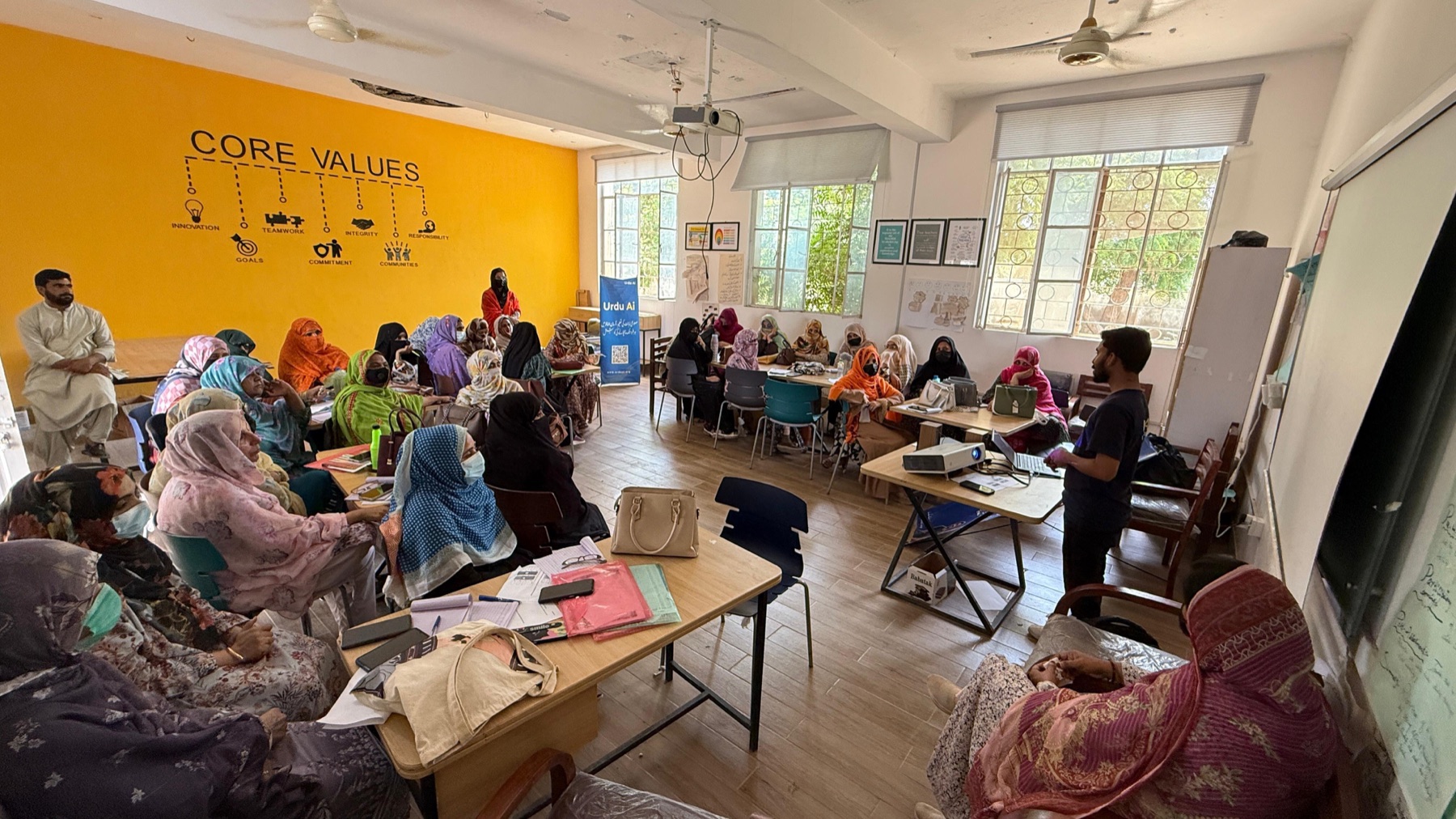
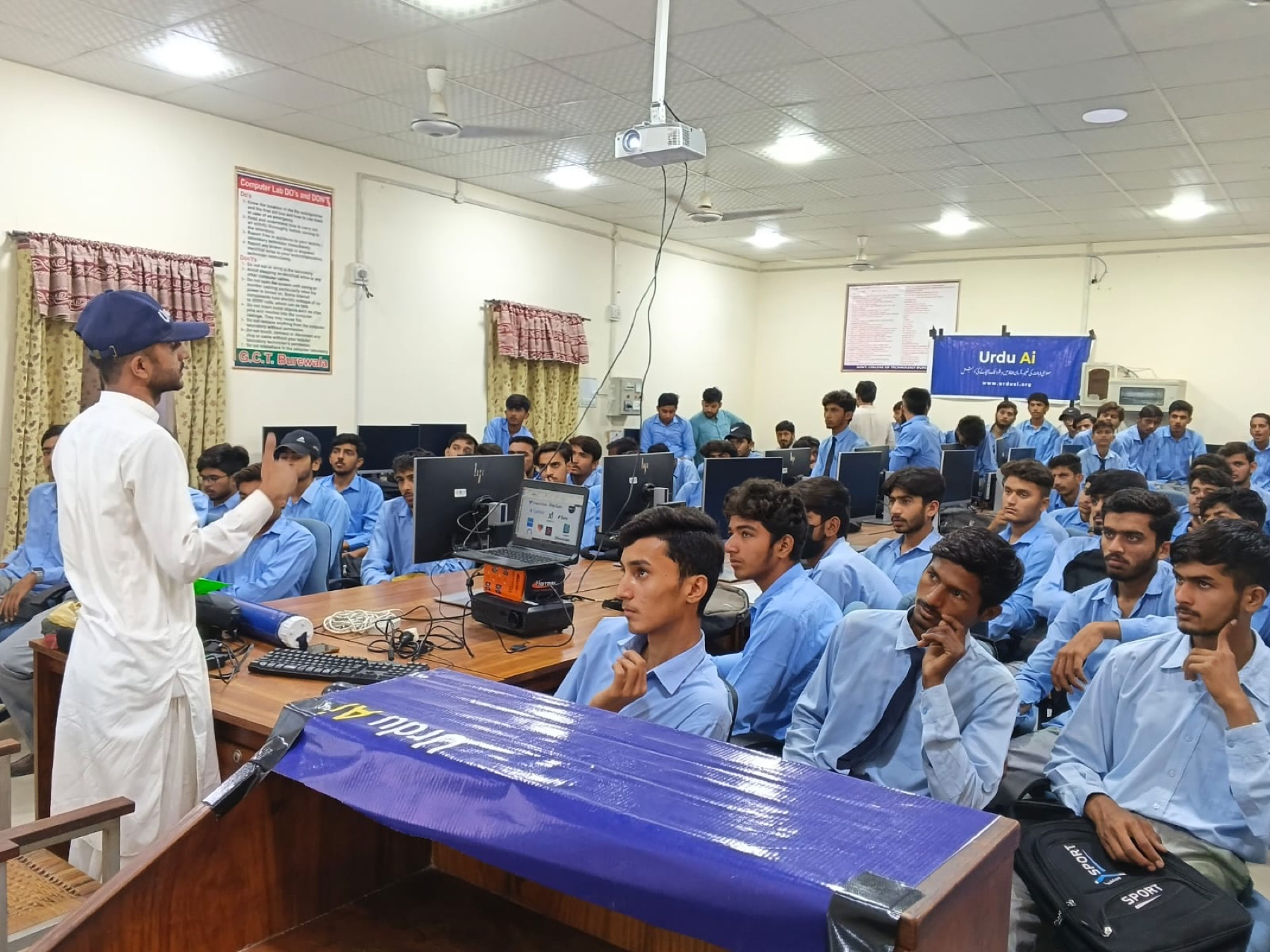
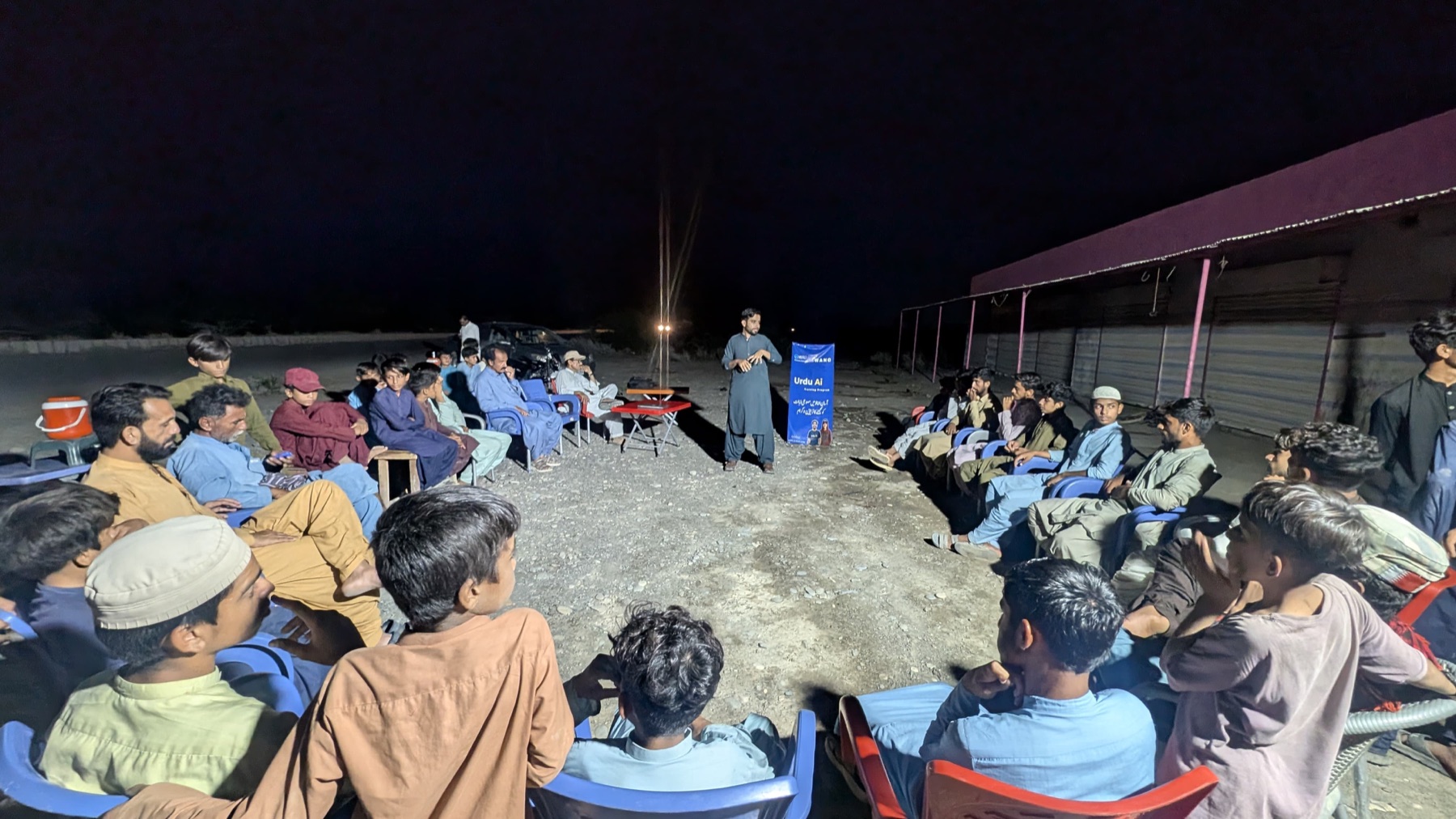
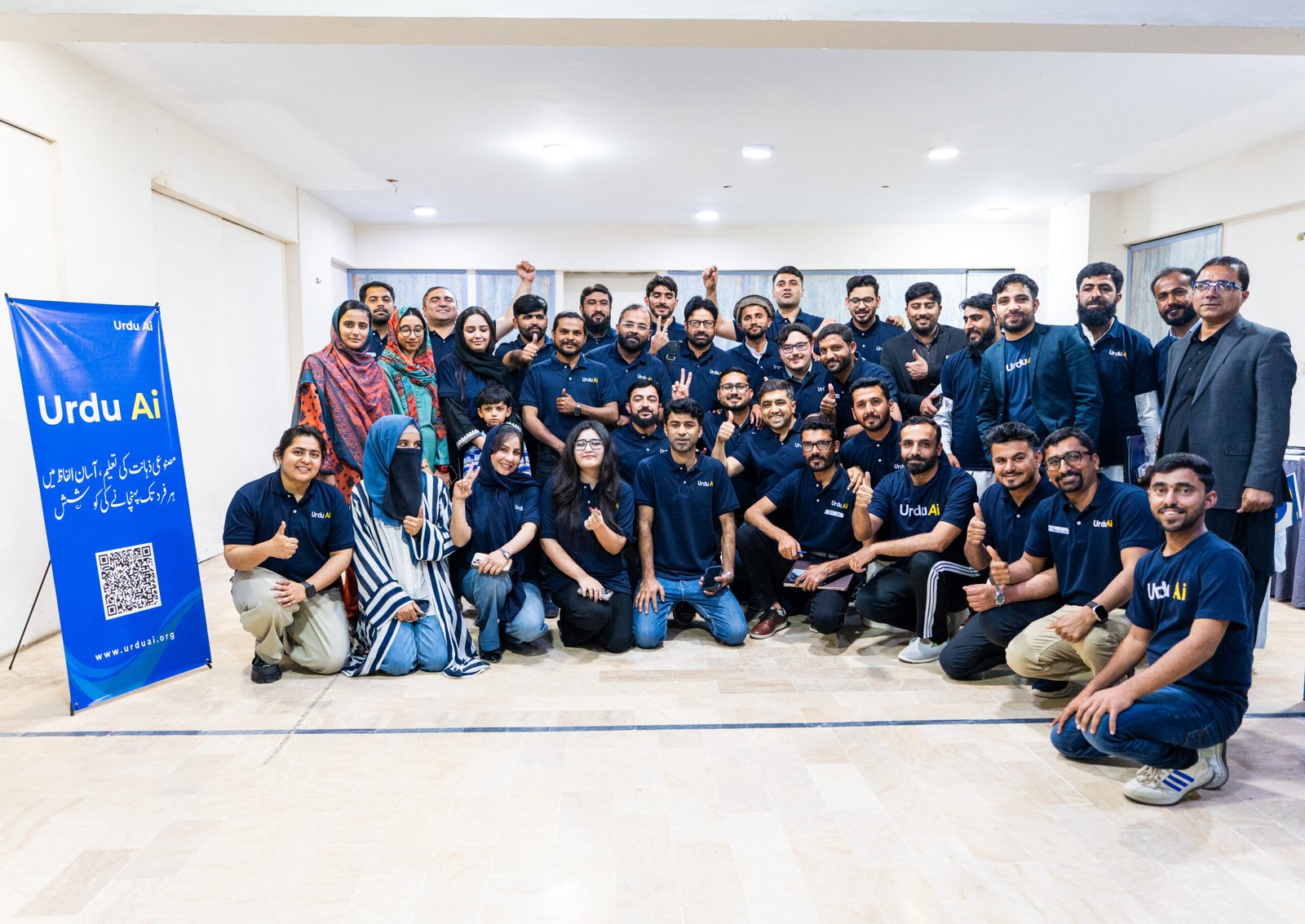
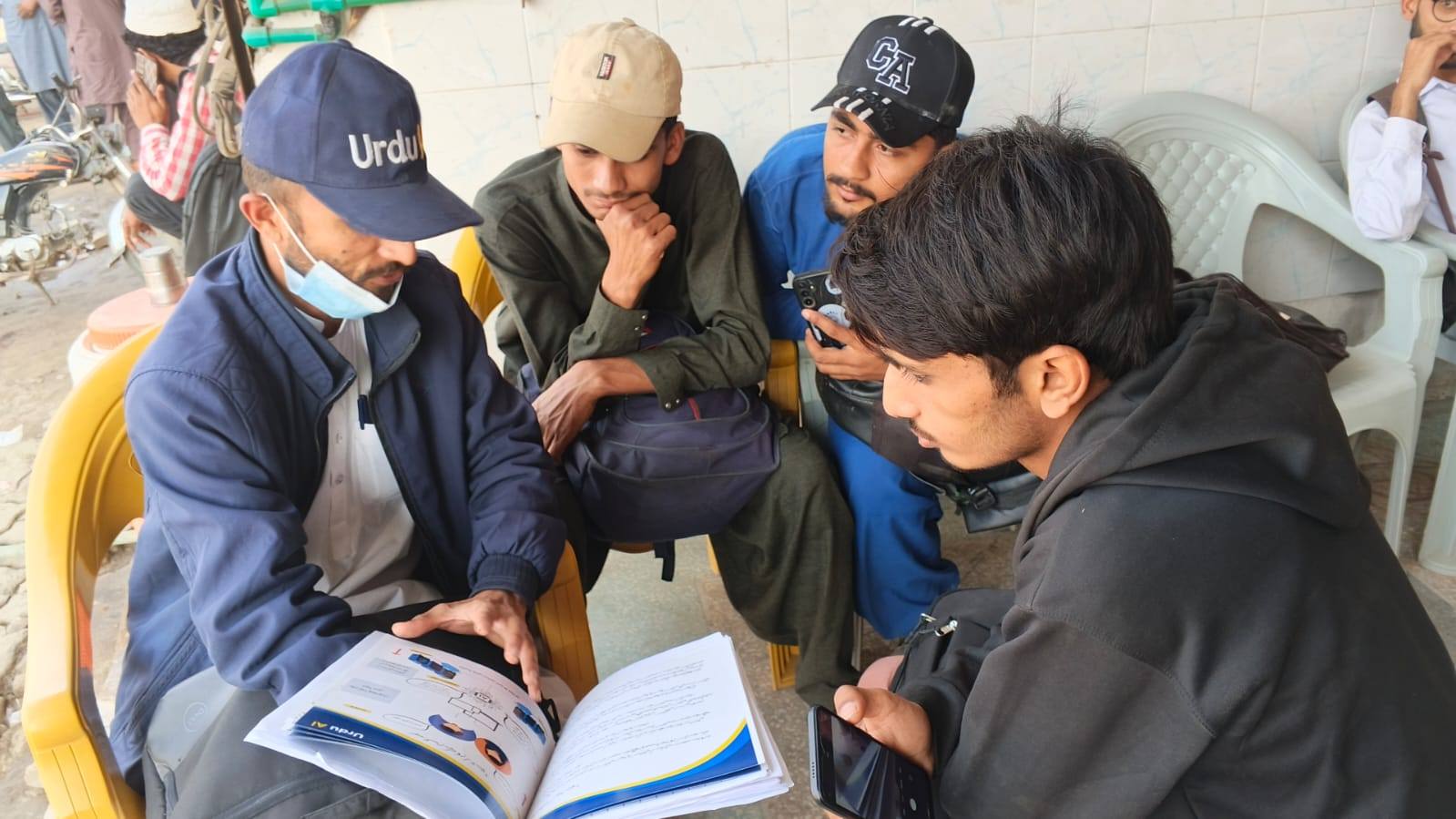
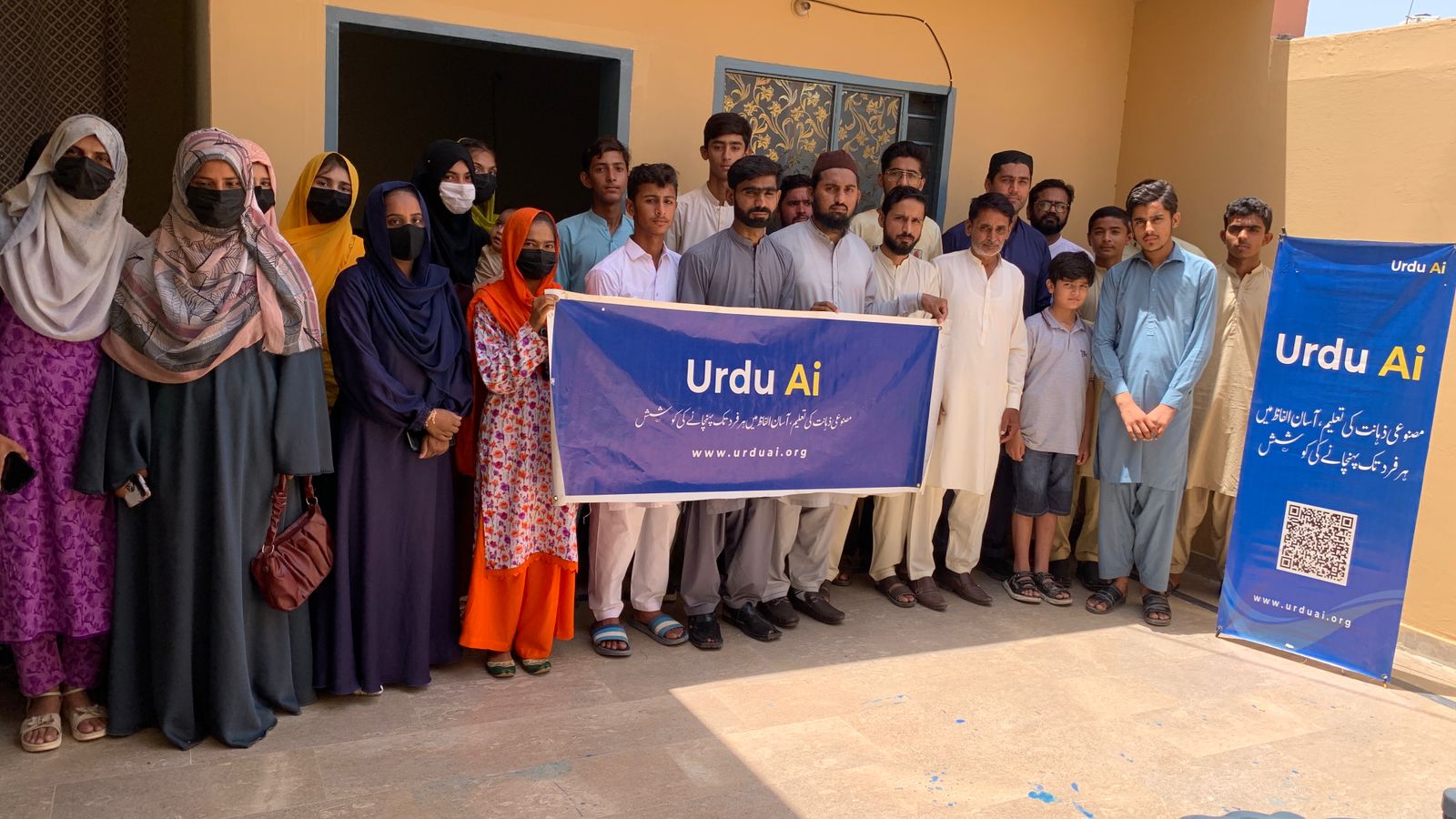
The Dost network turns a digital platform into local access: training rooms, campus sessions, community cohorts, women-friendly learning spaces, and follow-up support across districts.
Each marker represents a reported Dost record connected to local AI literacy delivery.
Use the full-screen map to view Punjab, Balochistan, Sindh, KPK, and ICT coverage with district-level context.
The impact tour shows how the Dost network brings AI learning into local communities.
The model builds local capacity first. Urdu Ai trains Dosts, Dosts train their own communities, and learners continue inside Urdu Ai's 1M+ online learning ecosystem.
Urdu Ai prepares local facilitators with Urdu-first AI concepts, practical tool workflows, session materials, and simple follow-up practices.
Dosts deliver sessions in schools, colleges, community spaces, vocational institutes, and local networks where English-first AI training rarely reaches.
Learners see AI explained by someone from their own context, with examples for teaching, study, farming, freelancing, small business, and daily work.
After the session, learners join Urdu Ai's 1M+ public learning ecosystem to keep practicing, asking questions, watching tutorials, and sharing progress.
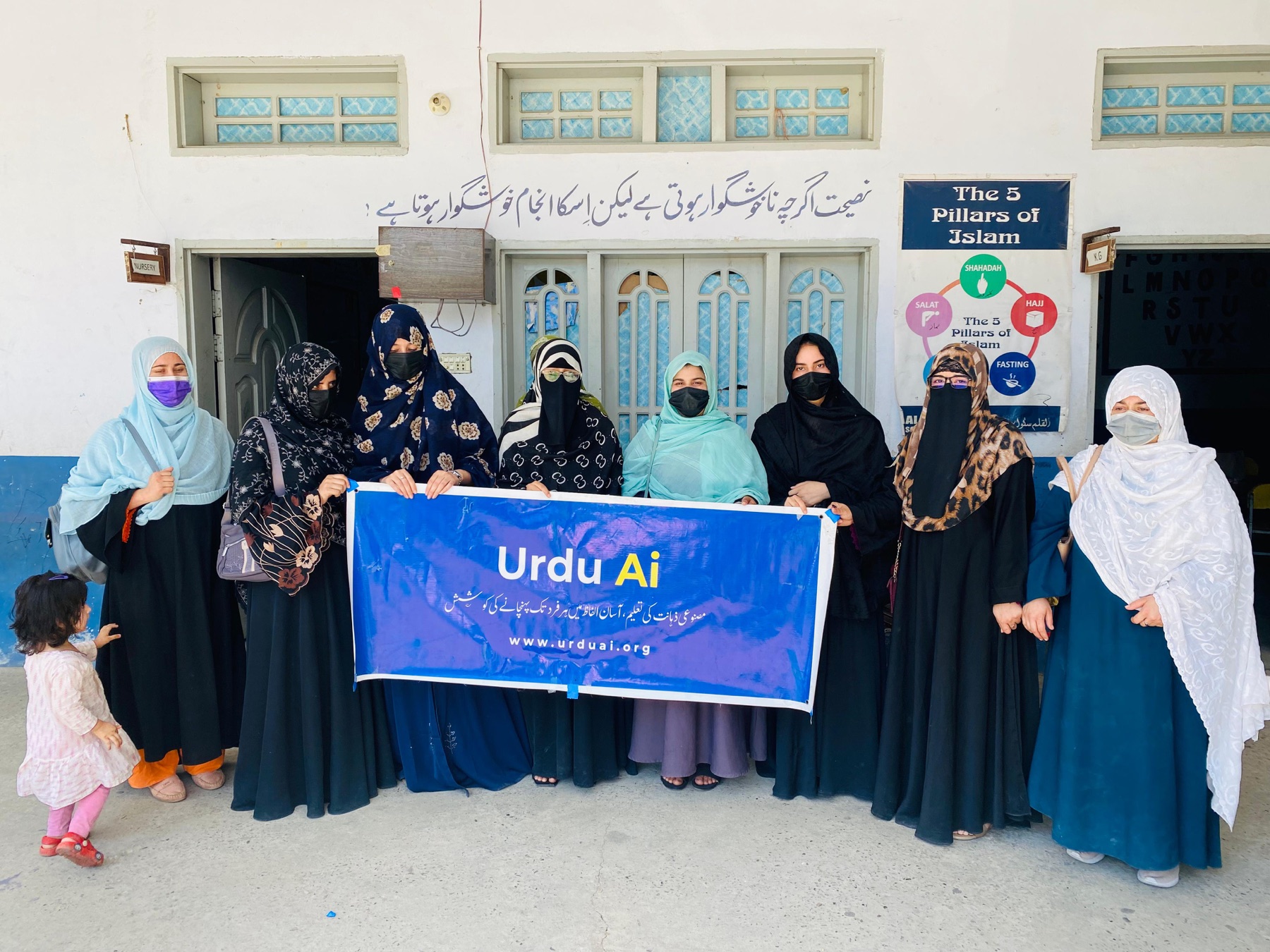
The Dost model is the human layer behind Urdu Ai's district reach: educators, organizers, technologists, advocates, and community leaders who make AI learning local.
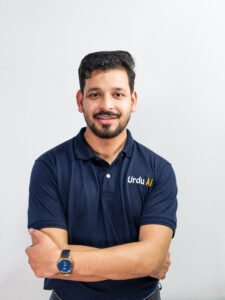
Junaid Khan brings over seven years of experience in the FMCG and pharmaceutical sectors.
Junaid Khan brings over seven years of experience in the FMCG and pharmaceutical sectors. With a Master's degree in Education, he combines strategic growth expertise with practical leadership in business development and team management. As an Urdu Ai Dost, he supports accessible AI learning in Urdu to empower professionals and entrepreneurs across Pakistan.
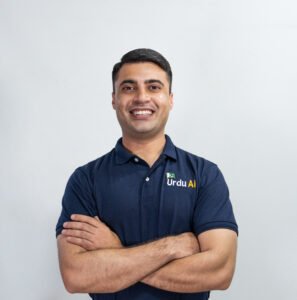
Mir Hamza Bashir works on rural women leadership, democracy education, and climate-resilient community programs.
Mir Hamza Bashir works on rural women leadership, democracy education, and climate-resilient community programs. With experience leading national conferences and multi-stakeholder initiatives, he focuses on inclusive civic participation and grassroots development. As an Urdu Ai Dost, he promotes AI literacy in Urdu to strengthen digital awareness across diverse communities.
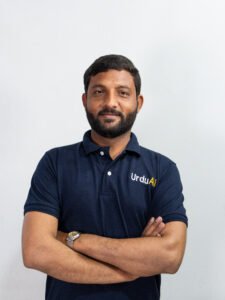
Tajammal Hussain combines teaching experience with digital content creation and AI-based tools.
Tajammal Hussain combines teaching experience with digital content creation and AI-based tools. He enhances learning through innovative media production and technology integration. As an Urdu Ai Dost, he simplifies AI education in Urdu to make digital knowledge widely accessible.
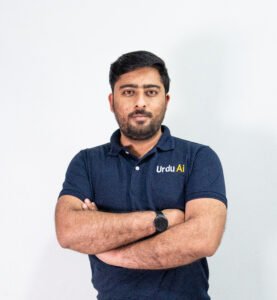
Saif Ali works in youth empowerment, advocacy, and gender-inclusive programming.
Saif Ali works in youth empowerment, advocacy, and gender-inclusive programming. With experience in large-scale community initiatives and leadership programs, he supports marginalized groups through capacity-building and civic engagement. As an Urdu Ai Dost, he promotes AI literacy in Urdu to expand digital opportunity and inclusive growth.
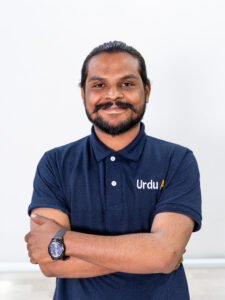
Waseem Abbas specializes in Python, machine learning, and AI systems.
Waseem Abbas specializes in Python, machine learning, and AI systems. As Co-Founder and CTO of a technology venture, he builds AI-driven applications and digital solutions. As an Urdu Ai Dost, he promotes practical AI education in Urdu for aspiring developers.
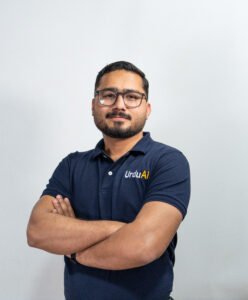
Yasir Chaudhary focuses on digital learning, innovation, and community empowerment.
Yasir Chaudhary focuses on digital learning, innovation, and community empowerment. With a strong interest in emerging technologies, he supports practical skill development initiatives. As an Urdu Ai Dost, he promotes ethical and easy-to-understand AI education in Urdu to bridge the digital knowledge gap.
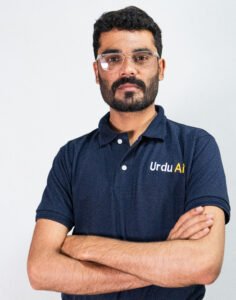
Syed Zia works in AI automation, prompt engineering, and visual AI-driven content production.
Syed Zia works in AI automation, prompt engineering, and visual AI-driven content production. He transforms complex ideas into emotionally impactful digital narratives with social relevance. As an Urdu Ai Dost, he promotes meaningful AI learning in Urdu to combine creativity with technological innovation.
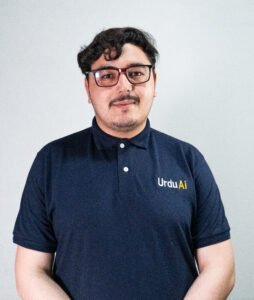
Shabir Ahmad specializes in machine learning, deep learning, and generative AI.
Shabir Ahmad specializes in machine learning, deep learning, and generative AI. With academic training and research experience, he bridges technical innovation with practical AI-powered applications. As an Urdu Ai Dost, he simplifies advanced AI concepts in Urdu to prepare the next generation of developers and researchers.
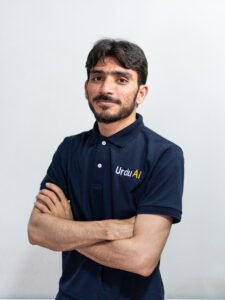
Tariq Nawaz brings experience in IT operations, administration, and AI tools.
Tariq Nawaz brings experience in IT operations, administration, and AI tools. With strong technical foundations and digital certifications, he supports productivity and organizational efficiency through technology. As an Urdu Ai Dost, he promotes accessible AI education in Urdu to strengthen digital skills nationwide.
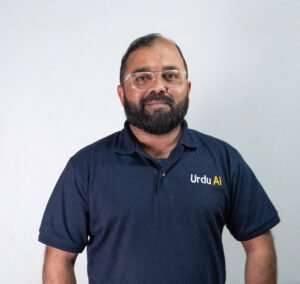
Junaid Hussain Malik combines experience in education, business, and real estate marketing.
Junaid Hussain Malik combines experience in education, business, and real estate marketing. With a strong leadership background, he integrates digital innovation into his professional work. As an Urdu Ai Dost, he promotes ethical and practical AI knowledge in Urdu to support sustainable professional growth.
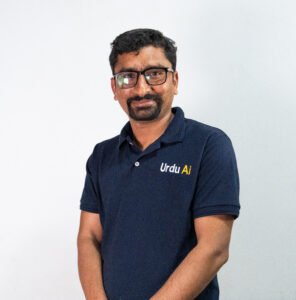
Dharminder Kumar holds a Master's degree in Urdu and works in journalism and community engagement.
Dharminder Kumar holds a Master's degree in Urdu and works in journalism and community engagement. He is committed to minority rights and cultural preservation, amplifying marginalized voices through research and advocacy. As an Urdu Ai Dost, he promotes inclusive AI awareness in Urdu for social empowerment.
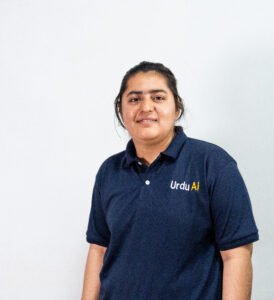
Dua Kurejo is dedicated to continuous learning and youth empowerment through digital education initiatives.
Dua Kurejo is dedicated to continuous learning and youth empowerment through digital education initiatives. She brings creativity, integrity, and enthusiasm to community-focused programs. As an Urdu Ai Dost, she supports inclusive AI literacy in Urdu to help learners confidently engage with emerging technologies.
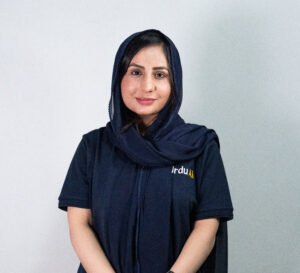
Asifa Jamali has extensive experience in education, nutrition, GBV prevention, and child protection programs.
Asifa Jamali has extensive experience in education, nutrition, GBV prevention, and child protection programs. Currently pursuing advanced academic studies, she has worked closely with development partners to deliver impactful community-based initiatives. As an Urdu Ai Dost, she supports inclusive and accessible AI learning in Urdu for vulnerable and underserved communities.
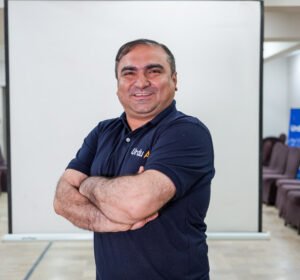
Jan Muhammad holds a Master's degree in Political Science and has worked extensively in youth activism and policy advocacy.
Jan Muhammad holds a Master's degree in Political Science and has worked extensively in youth activism and policy advocacy. He collaborates with national and international organizations on development initiatives. As an Urdu Ai Dost, he promotes AI literacy in Urdu to empower emerging leaders.
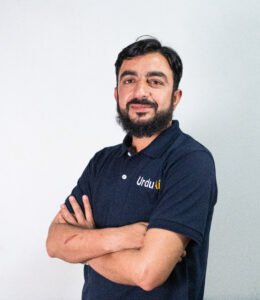
Shah Nawaz has over a decade of experience in teaching and institutional management.
Shah Nawaz has over a decade of experience in teaching and institutional management. With advanced qualifications in Urdu and Education, he is committed to academic excellence and student development. As an Urdu Ai Dost, he simplifies AI concepts in Urdu to make digital learning practical and accessible for all learners.
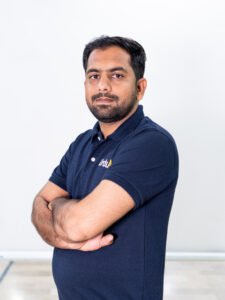
An MPhil-qualified psychologist, Mohammad Zeshan specializes in youth engagement, counseling, and rehabilitation initiatives.
An MPhil-qualified psychologist, Mohammad Zeshan specializes in youth engagement, counseling, and rehabilitation initiatives. He translates complex ideas into practical learning experiences for communities. As an Urdu Ai Dost, he advances ethical AI education in Urdu to support positive social transformation.
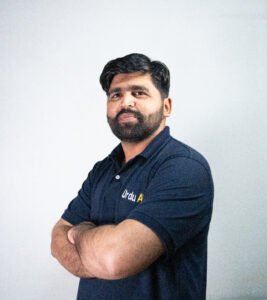
Rai Ahmad Raza Tahir is the Founder and President of a youth-led welfare organization dedicated to community service and civic engagement.
Rai Ahmad Raza Tahir is the Founder and President of a youth-led welfare organization dedicated to community service and civic engagement. With strong experience in volunteer mobilization, social initiatives, and grassroots leadership, he works to empower young changemakers across Punjab. As an Urdu Ai Dost, he promotes AI literacy in Urdu to equip youth with digital skills and future-ready knowledge.
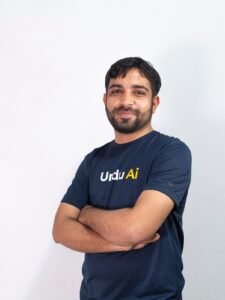
Salman Khan is a Computer Science graduate and certified AI instructor specializing in digital literacy, automation, and responsible AI training.
Salman Khan is a Computer Science graduate and certified AI instructor specializing in digital literacy, automation, and responsible AI training. He has delivered hands-on workshops in schools, colleges, and rural communities across Pakistan. As an Urdu Ai Dost, he is committed to making artificial intelligence accessible, ethical, and empowering in Urdu.
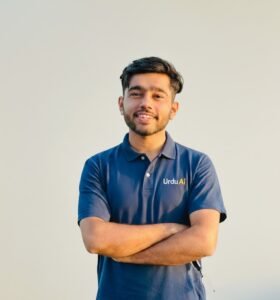
Abrar Roonjha is a community leader from rural Balochistan dedicated to empowering underserved populations through education, innovation, and grassroots engagement.
Abrar Roonjha is a community leader from rural Balochistan dedicated to empowering underserved populations through education, innovation, and grassroots engagement. As Creative Director of WALI, Balochistan's first rural innovation lab, he promotes accessible AI education in Urdu to bridge opportunity gaps and drive inclusive digital transformation.
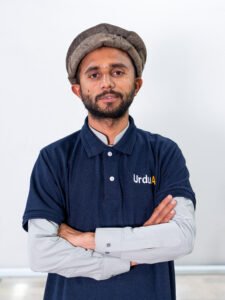
With advanced degrees in Political Science and History, Fakhar-ul-Zaman combines legal expertise with grassroots leadership.
With advanced degrees in Political Science and History, Fakhar-ul-Zaman combines legal expertise with grassroots leadership. His work centers on inclusive governance and youth empowerment. As an Urdu Ai Dost, he promotes ethical AI awareness in Urdu for social progress.
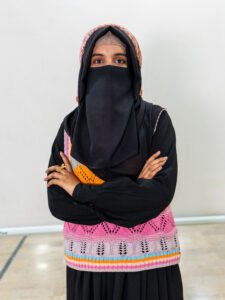
Naimat ur Raheem is a psychology graduate and grassroots peacebuilder with experience in mental health awareness, digital literacy, and community empowerment initiatives.
Naimat ur Raheem is a psychology graduate and grassroots peacebuilder with experience in mental health awareness, digital literacy, and community empowerment initiatives. As an Urdu Ai Dost, she promotes ethical and accessible AI education in Urdu to strengthen resilient, informed, and digitally empowered communities.
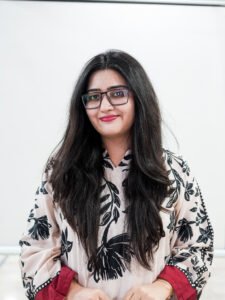
Roshni Anwar is a gender and climate policy advocate and founder of a women-led grassroots organization advancing SRHR, GBV prevention, and climate justice in Pakistan.
Roshni Anwar is a gender and climate policy advocate and founder of a women-led grassroots organization advancing SRHR, GBV prevention, and climate justice in Pakistan. As an Urdu Ai Dost, she promotes accessible and inclusive AI education in Urdu to empower young leaders and marginalized communities.
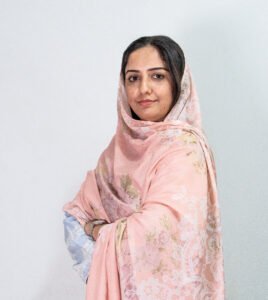
Rizwana Ansari works in gender equality, youth empowerment, and community research.
Rizwana Ansari works in gender equality, youth empowerment, and community research. She has led large-scale community initiatives focused on practical change. As an Urdu Ai Dost, she promotes inclusive AI learning in Urdu to expand opportunities for women and youth.
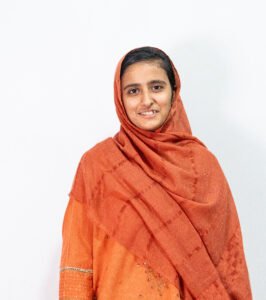
Batool Lasi is a climate youth advisor, ambassador, and content creator dedicated to youth empowerment and digital education.
Batool Lasi is a climate youth advisor, ambassador, and content creator dedicated to youth empowerment and digital education. As an Urdu Ai Dost, she promotes ethical and accessible AI learning in Urdu to equip the next generation with future-ready digital skills.
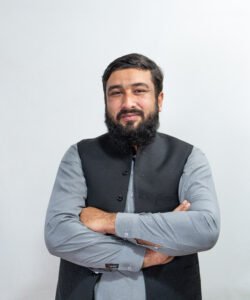
Hamid Bashir specializes in digital branding, content strategy, and creative design.
Hamid Bashir specializes in digital branding, content strategy, and creative design. Holding a Bachelor of Technology degree, he blends technical skill with visual creativity to drive engagement and impact. As an Urdu Ai Dost, he leverages AI tools in Urdu to support digital innovation and growth.
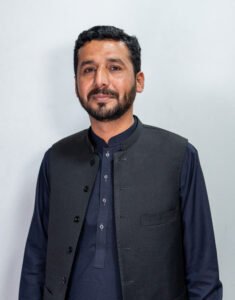
Zahir Mehmood is an experienced educator with over ten years of teaching and training expertise.
Zahir Mehmood is an experienced educator with over ten years of teaching and training expertise. Holding an M.Phil in Education, he combines strong Urdu language proficiency with practical AI awareness to simplify complex concepts. As an Urdu Ai Dost, he delivers AI education in Urdu to make technology understandable and accessible for all learners.
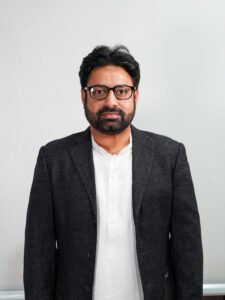
Rana Muhammad Wajid Imran Khan specializes in AI automation, paid advertising, and digital growth strategies.
Rana Muhammad Wajid Imran Khan specializes in AI automation, paid advertising, and digital growth strategies. With academic grounding in gender studies and experience in training and community development, he integrates technology with social impact. As an Urdu Ai Dost, he advances practical AI education in Urdu to support professionals, entrepreneurs, and emerging digital leaders.
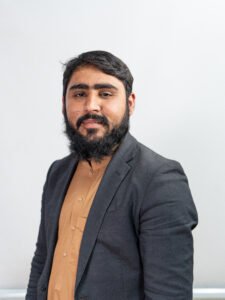
Farhadullah Khan works in automation and generative AI, simplifying advanced AI solutions for diverse audiences.
Farhadullah Khan works in automation and generative AI, simplifying advanced AI solutions for diverse audiences. His expertise bridges technical systems with real-world applications. As an Urdu Ai Dost, he is dedicated to democratizing AI knowledge in Urdu.
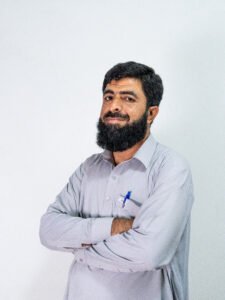
Gul Muhammad specializes in Islamic Studies and advanced academic research.
Gul Muhammad specializes in Islamic Studies and advanced academic research. With experience in teaching and scholarly work, he bridges traditional education with contemporary knowledge systems. As an Urdu Ai Dost, he connects classical scholarship with modern AI learning in Urdu.
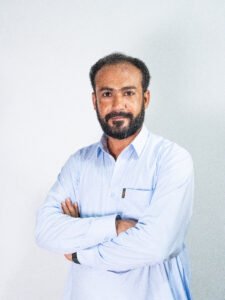
With academic training in International Relations and Political Science, Baqir Baloch has contributed to community development initiatives and local project work.
With academic training in International Relations and Political Science, Baqir Baloch has contributed to community development initiatives and local project work. His work focuses on strengthening civic participation and inclusive growth. As an Urdu Ai Dost, he promotes AI literacy in Urdu to strengthen communities and expand digital awareness.
Urdu Ai follows applied use: how learners move from awareness to confidence, productivity, and practical income pathways.
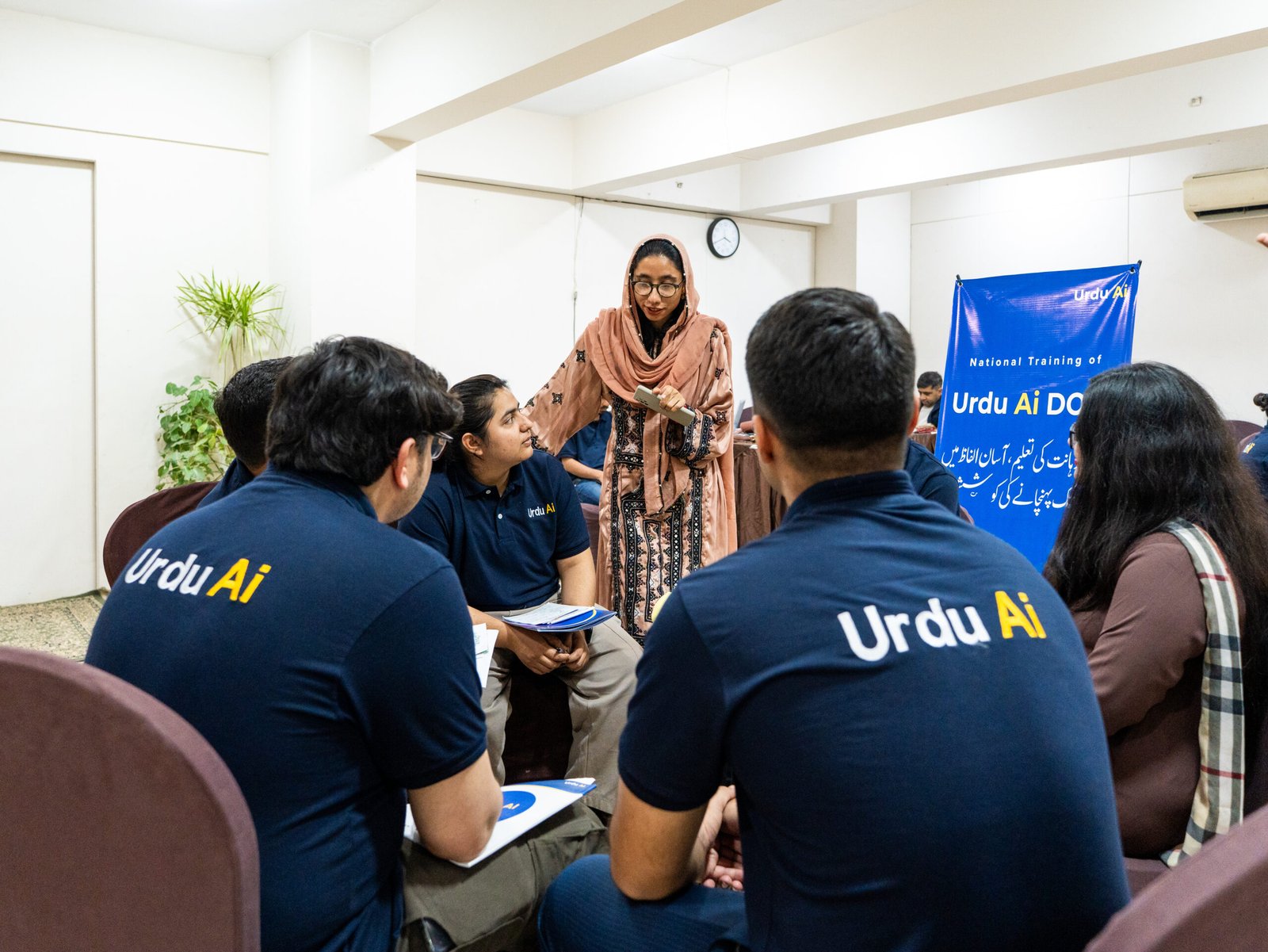
Urdu Ai sessions turn AI from an English-only idea into practical classroom support, lesson planning, research, and daily productivity.
Learners are using AI tools to build design confidence, explore freelancing, and create visual work without waiting for expensive software pathways.
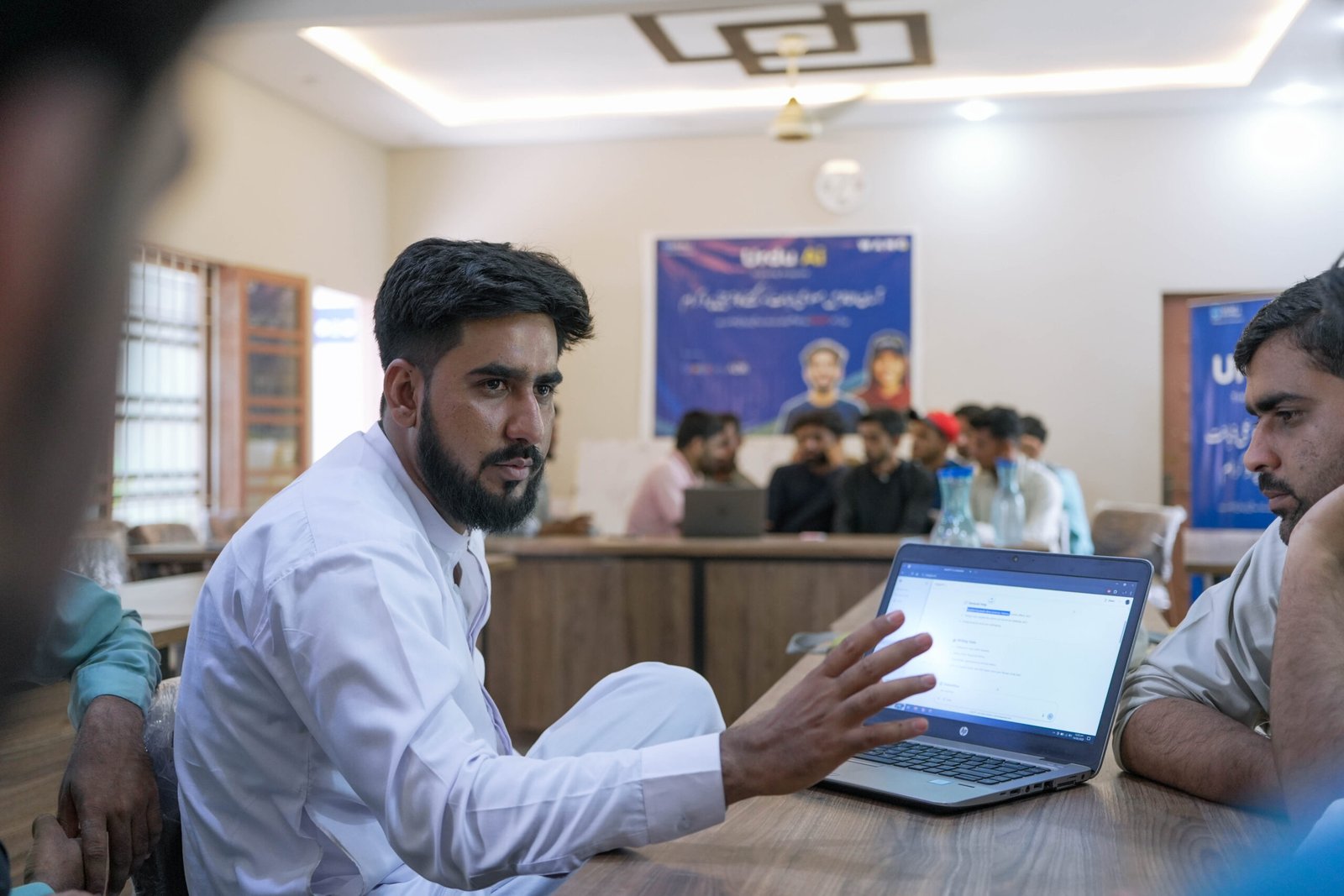
Field stories show how learners connect AI prompts to agriculture, market information, and local decision-making.
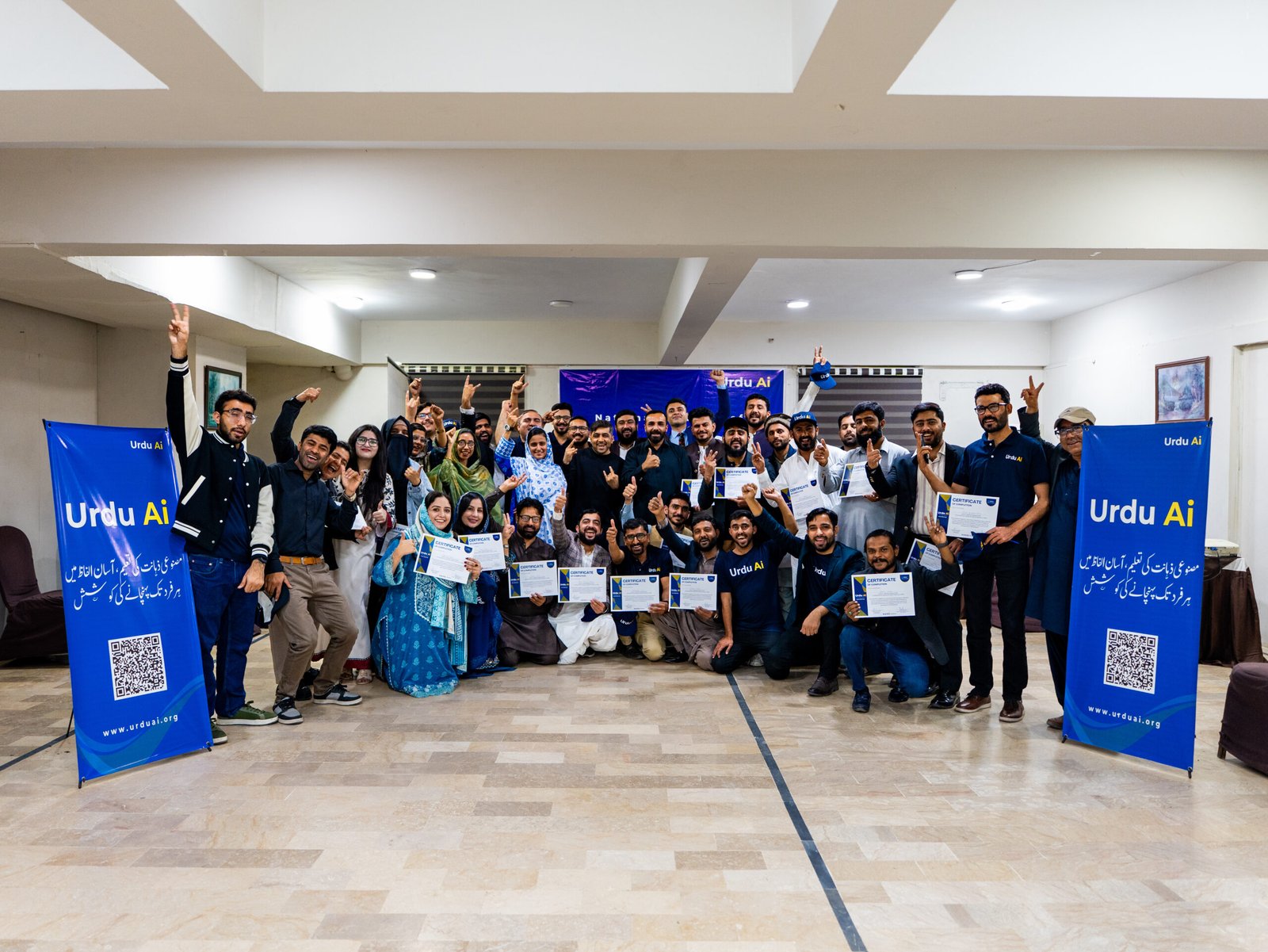
Urdu Ai Dosts bring practical AI learning to communities that are often left out of English-first technology programmes.
Written testimonials show the shift from first-time AI exposure to practical use: faster study work, paid design services, local business tools, and professional productivity.
After the training, Asma began using AI for study notes, video ideas, scripts, thumbnails, and graphic design. She reports that tasks which previously took 2-3 hours can now be completed in 30-45 minutes, and that the skills helped her secure regular work as an AI-based graphic designer.
Gemini, ChatGPT, Grok, Flow AI
Urooj joined the training unsure where to start with AI. She now uses AI tools for assignments and graphic design, creating posters for local clients such as hotels and clothing collections. Her testimonial links the training to stronger confidence, faster study work, and new earning opportunities.
ChatGPT, Gemini, Canva AI
Hakemeen used the training to move from interest in online work to building digital tools. He reports creating a digital ledger for shopkeepers and working on a petrol pump management system, using AI to support coding, school materials, reports, and client services.
Claude, Gemini, NotebookLM, ChatGPT
Usman uses AI for legal research support, drafting, document summaries, case notes, and public legal awareness content. His testimonial reports a 30-40% reduction in research and drafting time, while emphasizing that legal outputs remain manually reviewed.
ChatGPT, Gemini, NotebookLM
These cards are paraphrased from written learner testimonials submitted in May 2026. Reported time savings and income outcomes come from learners' own accounts and are not independent financial verification.
The numbers matter, but the deeper shift is confidence: learners begin using AI in their own language for study, teaching, work, and everyday problem solving.
AI stopped feeling like an English-only technology. The learning became something I could try in my own language, for my own work.
The strongest shift is practical confidence: teachers, students, and community learners begin using AI for planning, research, content, and everyday problem solving.
The Dost model makes access local. Learners can practice together, ask follow-up questions, and keep using the tools after the first session ends.
Short, mobile-first stories from learners, teachers, Dosts, farmers, and communities using AI in everyday work.
AI helping students and teachers
Maria learning graphic design with Urdu Ai
Khunsha using AI for blog writing
AI helping farmers
AI education in remote Balochistan
Transgender community learning AI in Urdu
These notes help partners, supporters, educators, and AI access programs understand why Urdu Ai matters and how community AI education can work at the local level.
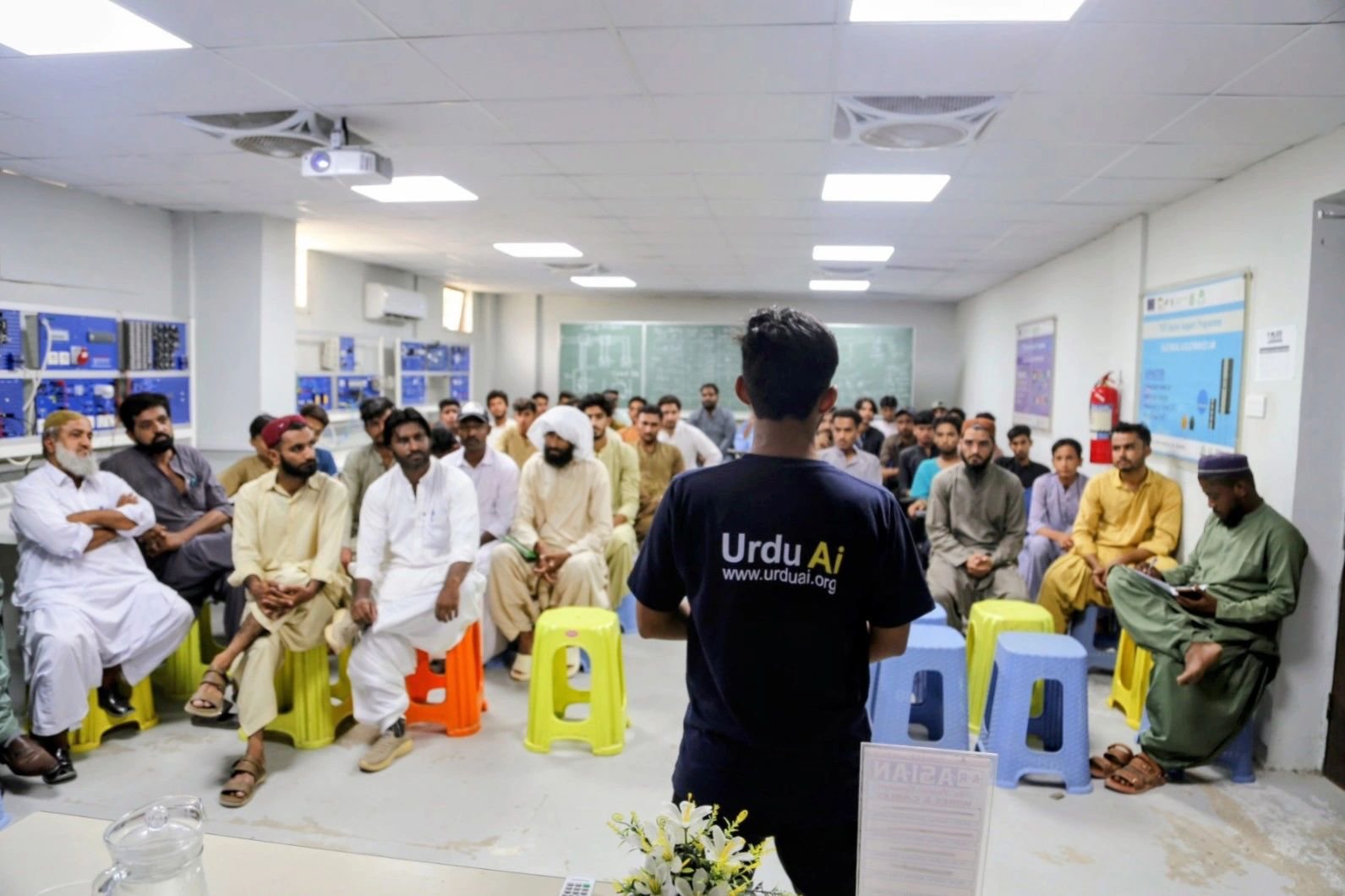
How Urdu Ai Dost facilitators help Pakistani educators learn AI in Urdu, then carry practical tools into classrooms and communities.
Read Impact Note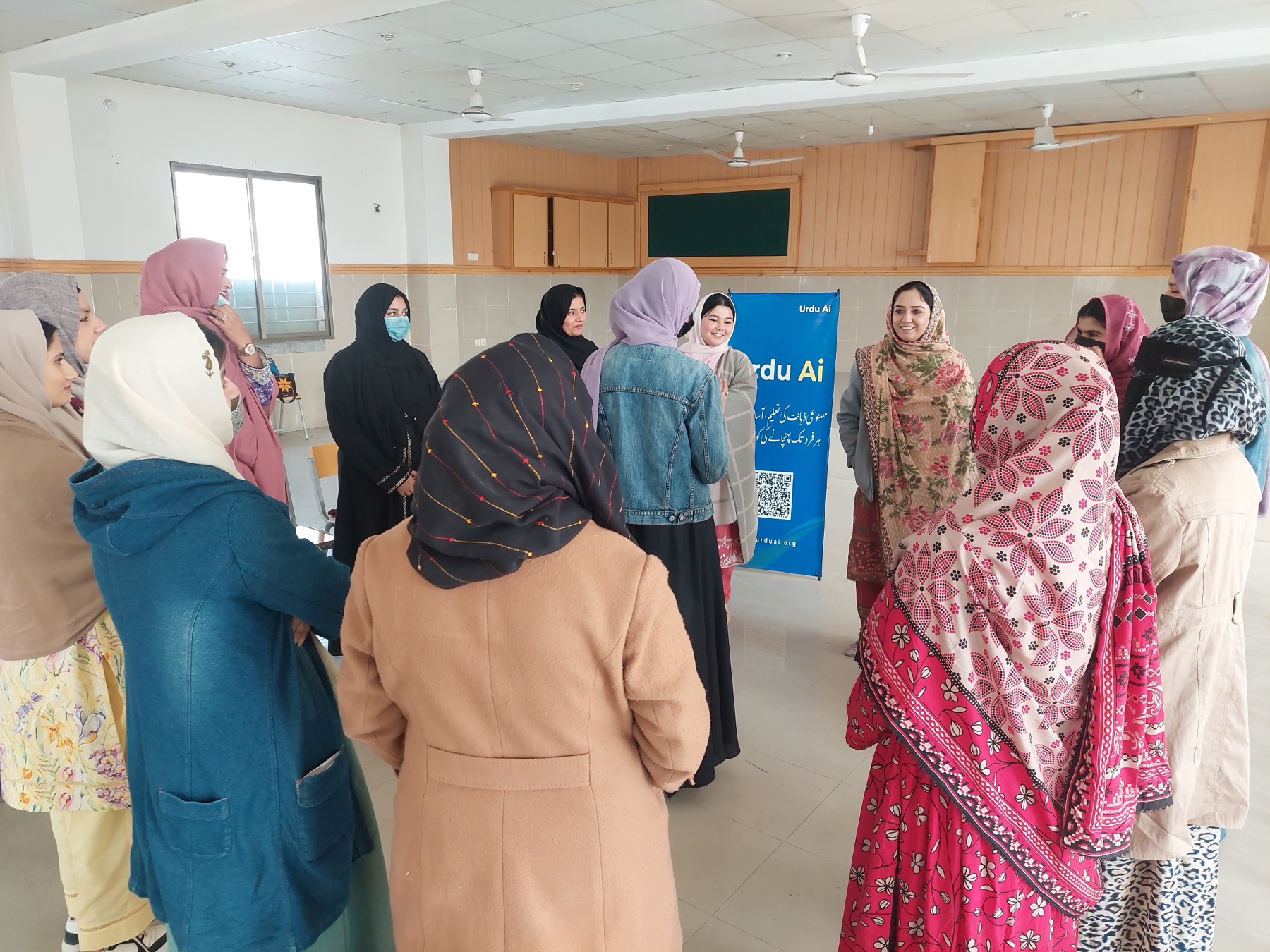
How Urdu Ai helps women learn artificial intelligence in Urdu through trusted spaces, practical examples, and community learning.
Read Impact Note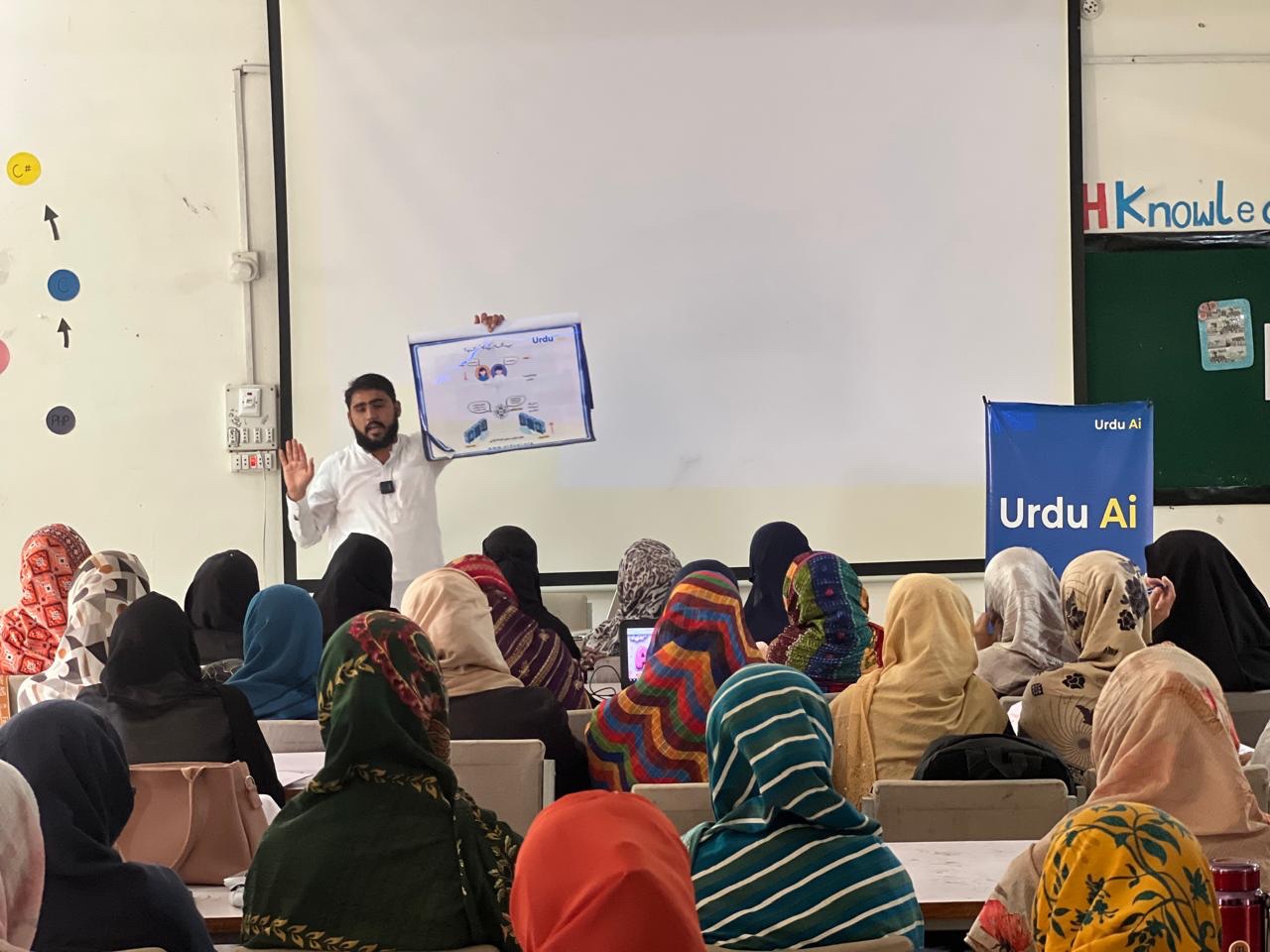
Why Urdu-language AI literacy matters for Pakistan's students, teachers, women, workers, and community leaders, and how Urdu Ai is making AI learning practical and accessible.
Read Impact Note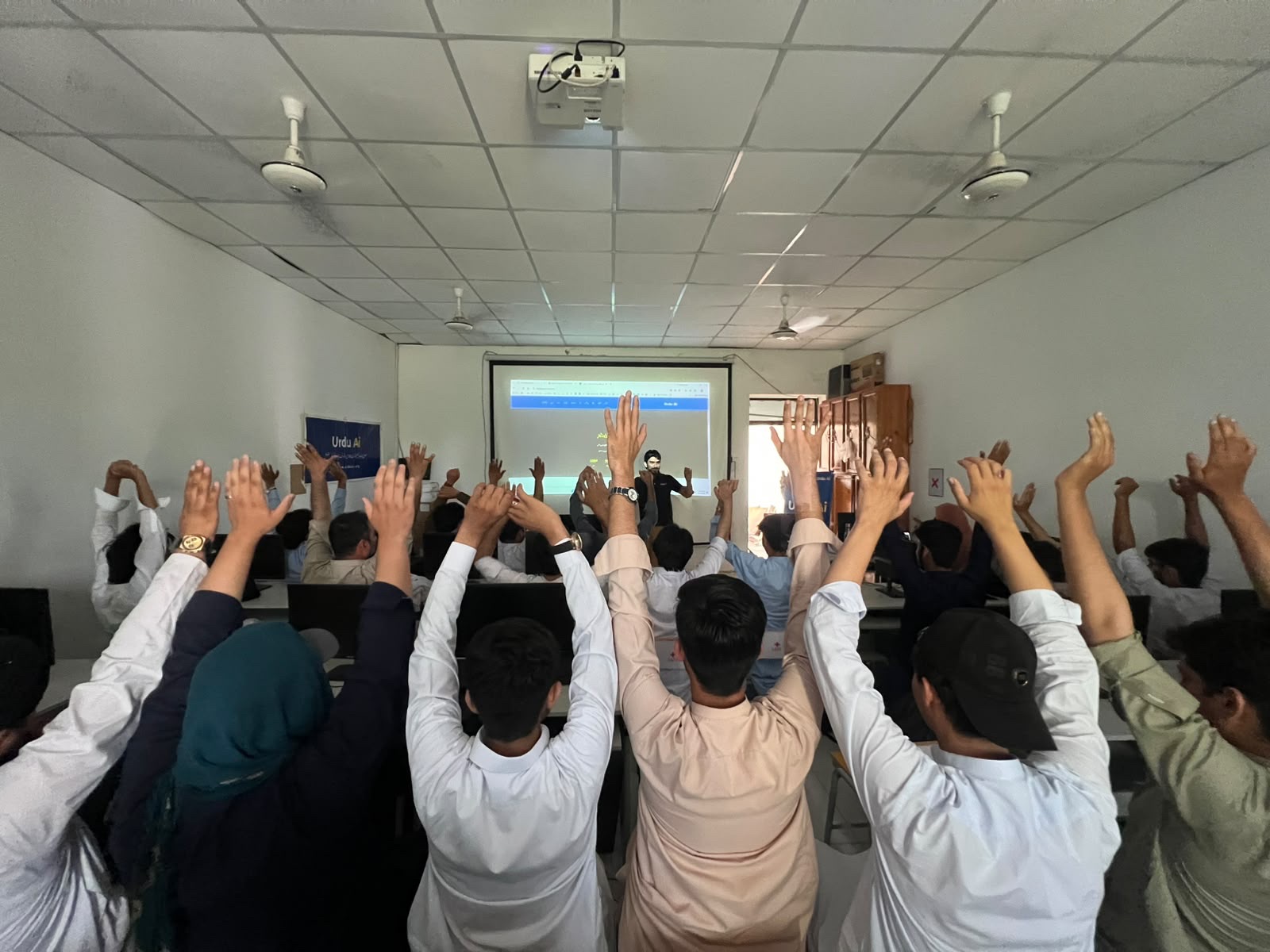
A practical guide for donors, CSR teams, foundations, and education partners evaluating community AI education programs, based on lessons from Urdu Ai in Pakistan.
Read Impact NoteThis initiative is part of the AI Opportunity Fund: Asia-Pacific, implemented by WANG in collaboration with AVPN and supported by Google.org and the Asian Development Bank (ADB).



Selected as one of six regional partners from 336 submissions under the StepForward: Essential Innovation Challenge, supporting Urdu Ai's work to connect AI learning with livelihood pathways.
View referenceThis initiative is part of the AI Opportunity Fund: Asia-Pacific, implemented by WANG in collaboration with AVPN and supported by Google.org and the Asian Development Bank (ADB).
View referenceBacked by WANG's 35-year community presence and WALI's rural innovation work in Balochistan.
View referenceUniversities, women-focused institutes, technical and vocational partners, and local education partners create trusted entry points for students, faculty, and communities. These agreements make it easier to schedule training, support learners, and grow AI learning through existing institutions.
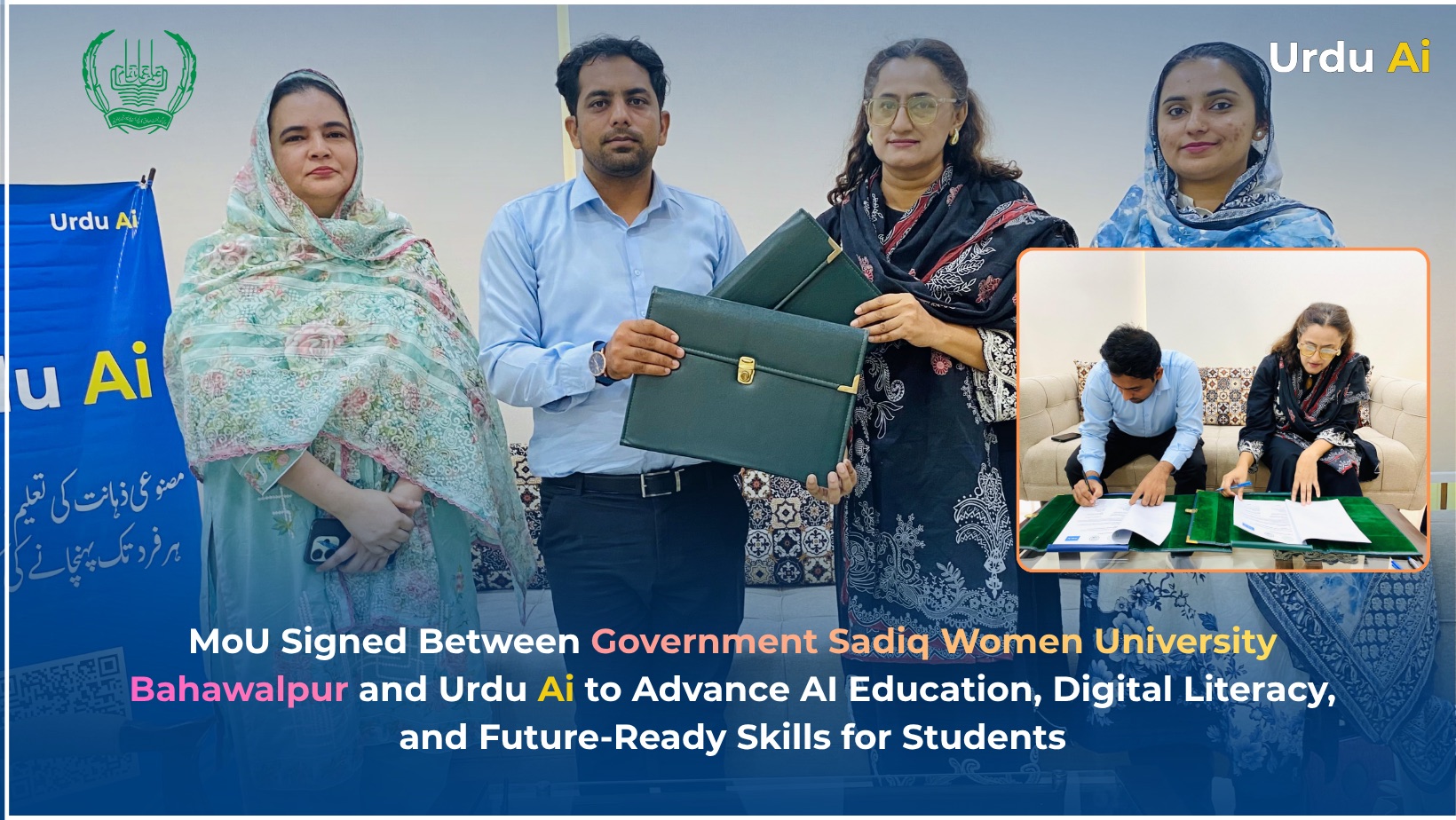
AI education, digital literacy, and future-ready skills for women students
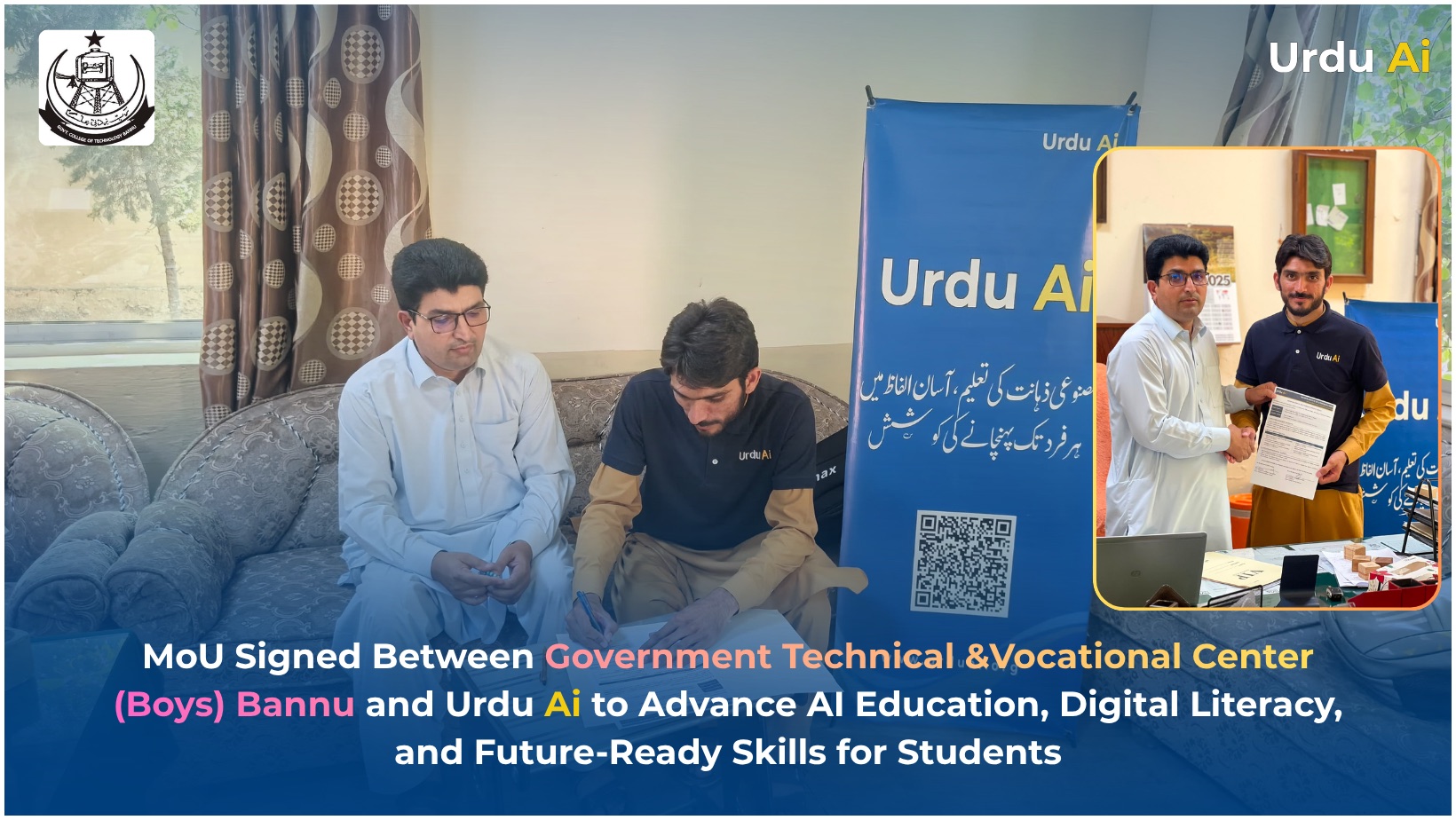
AI education, digital literacy, and employability-oriented technical skills
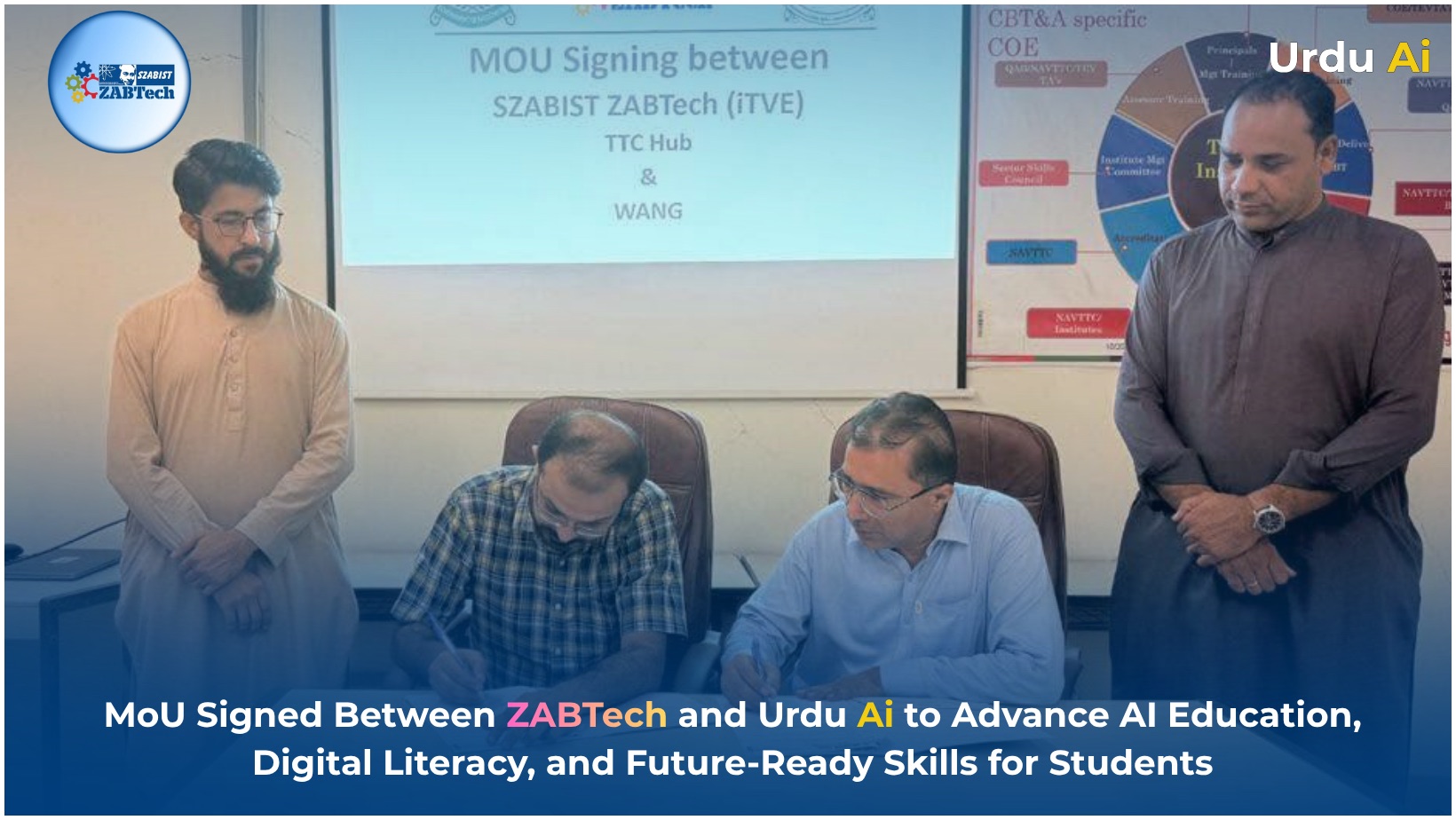
AI education, digital literacy, and future-ready skills for technical learners
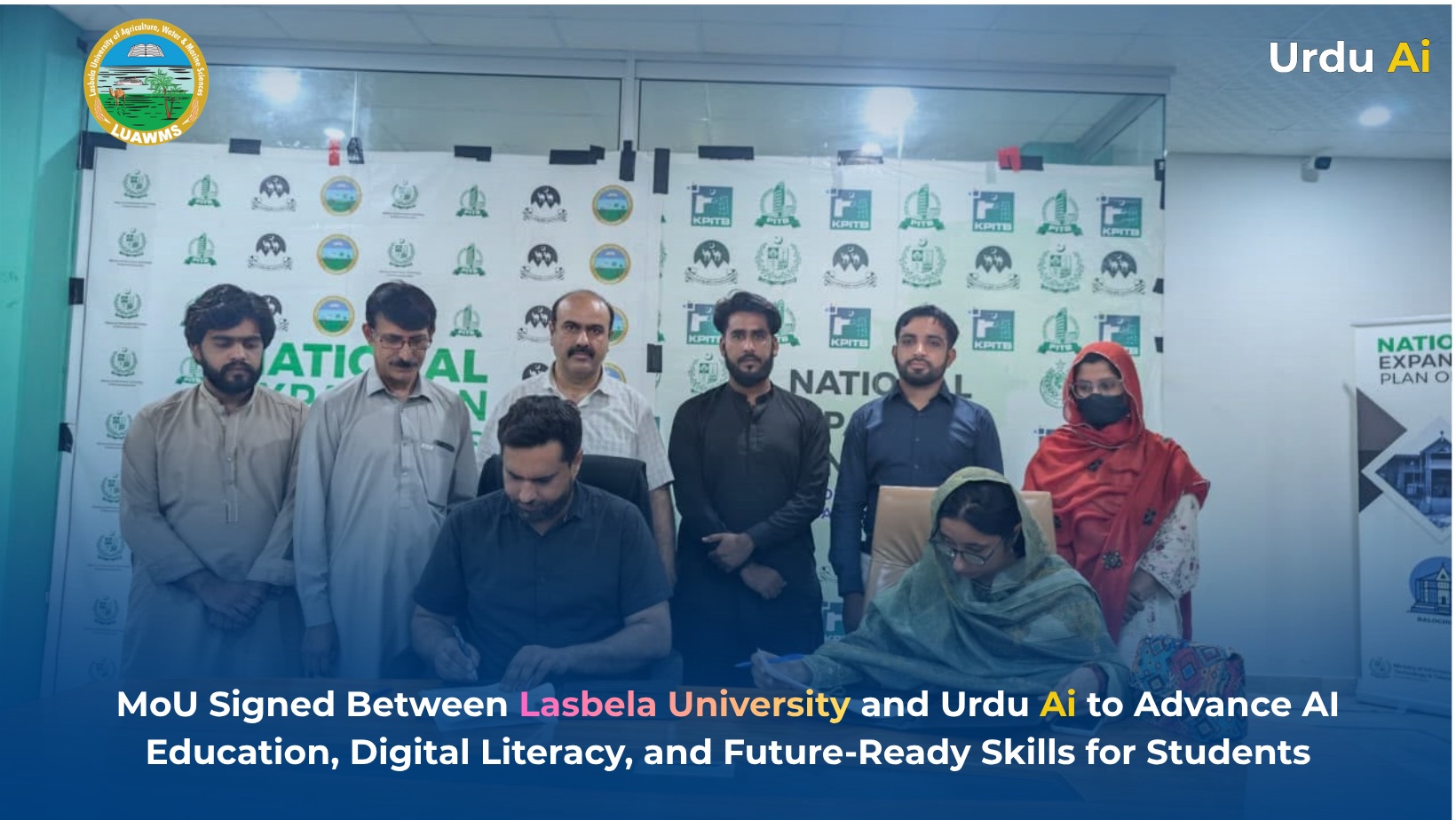
AI education, digital literacy, and future-ready skills for students
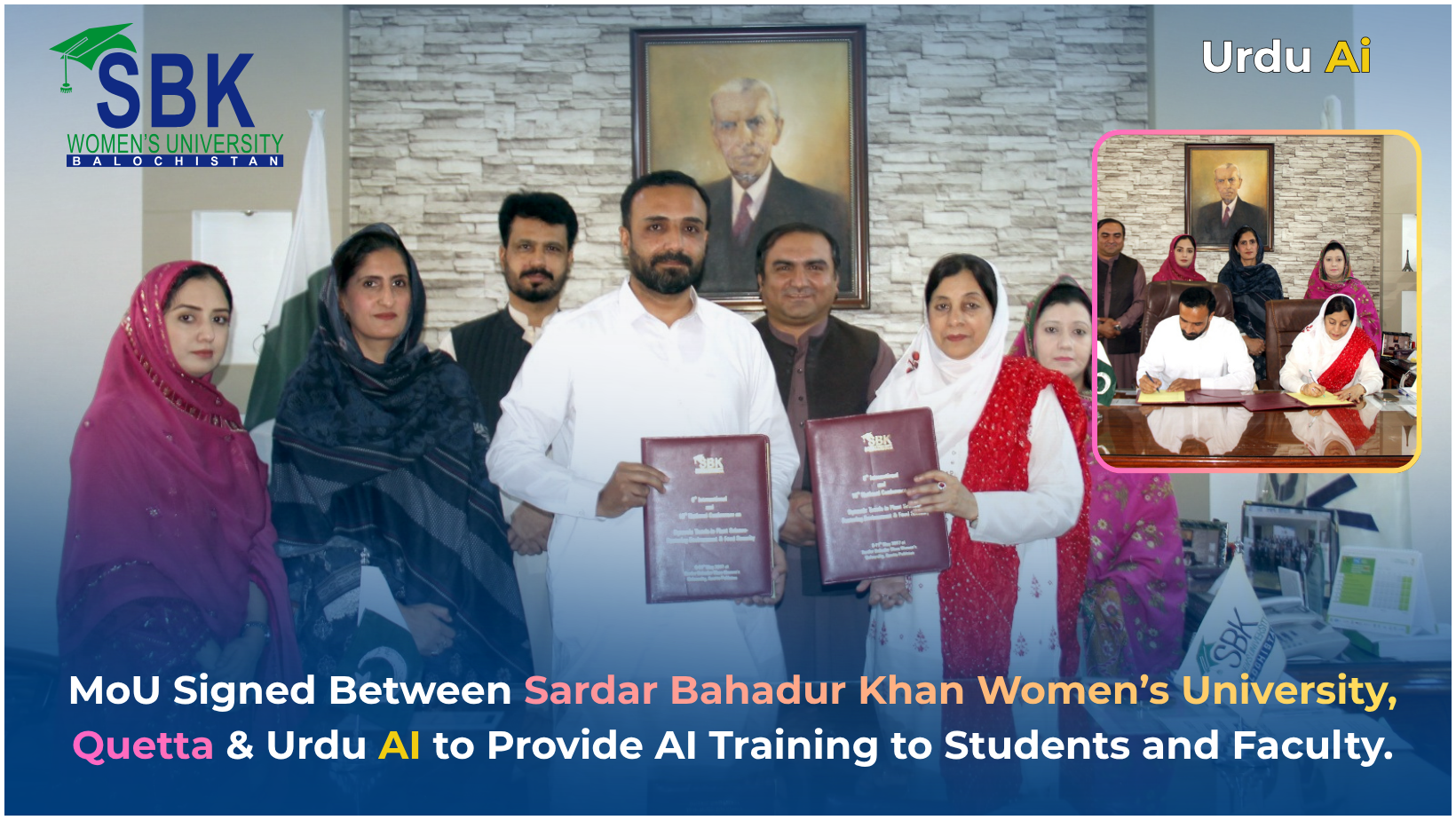
AI training access for students and faculty
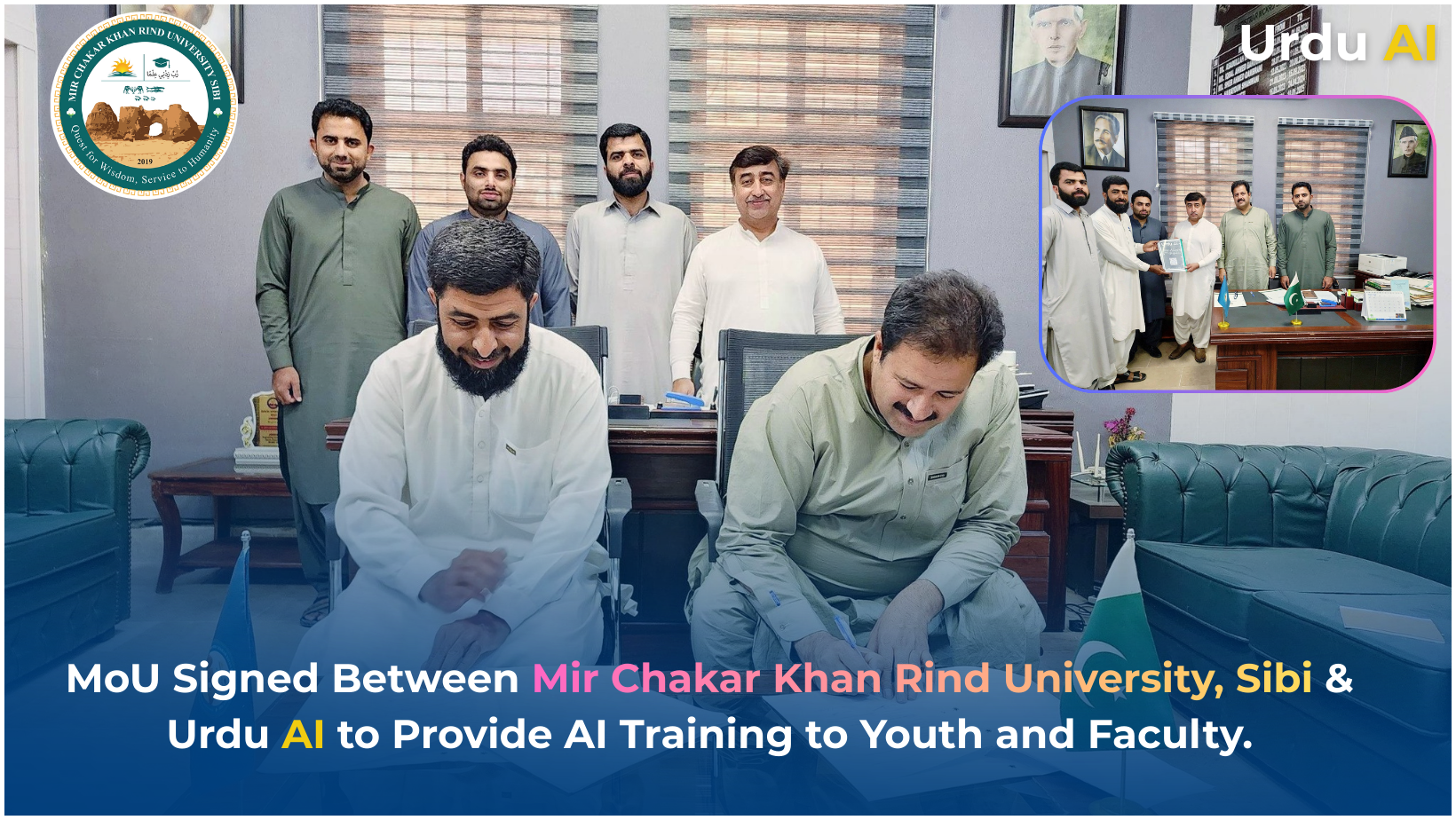
Youth and faculty AI training pathways
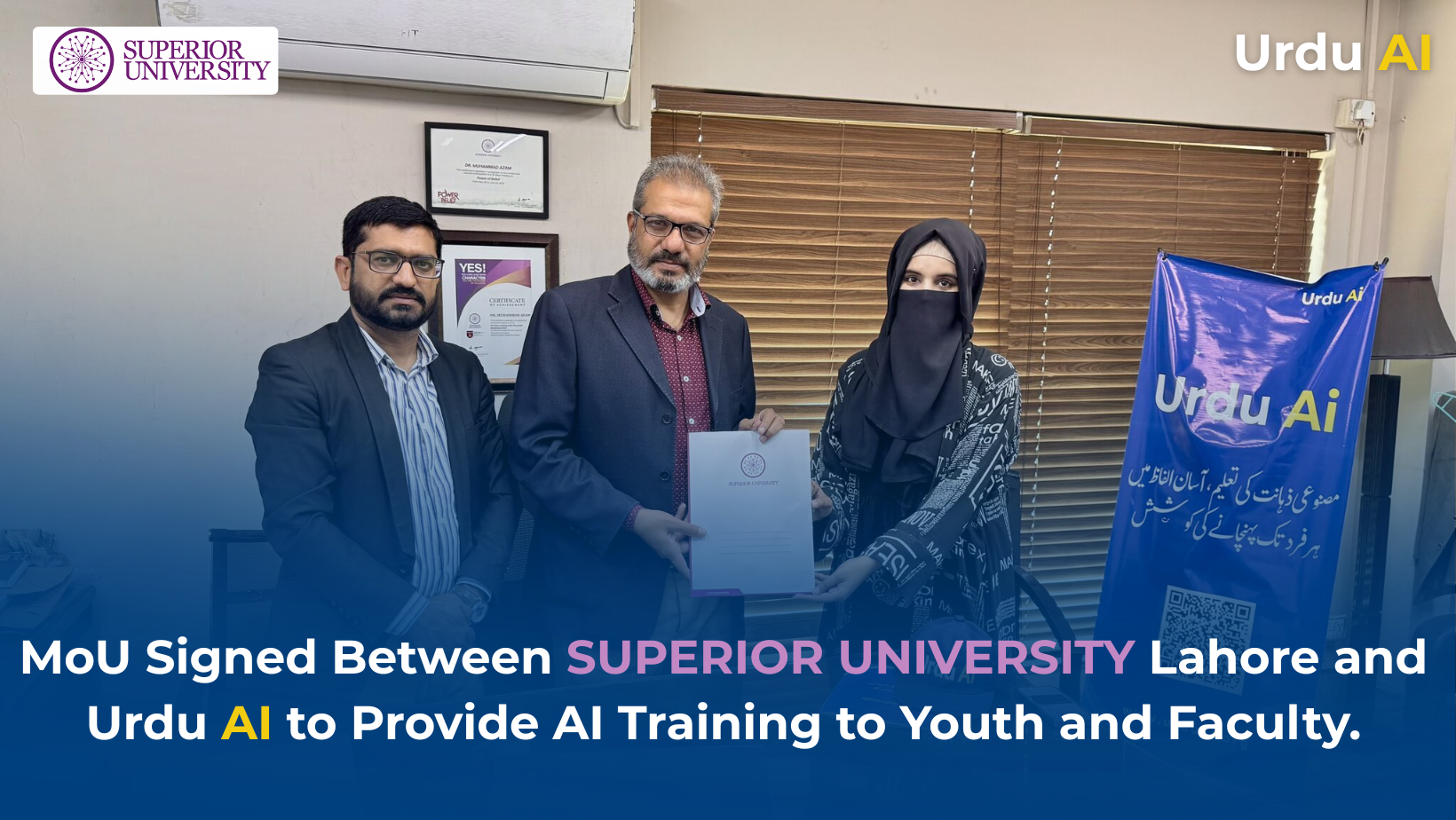
AI training collaboration for youth and faculty
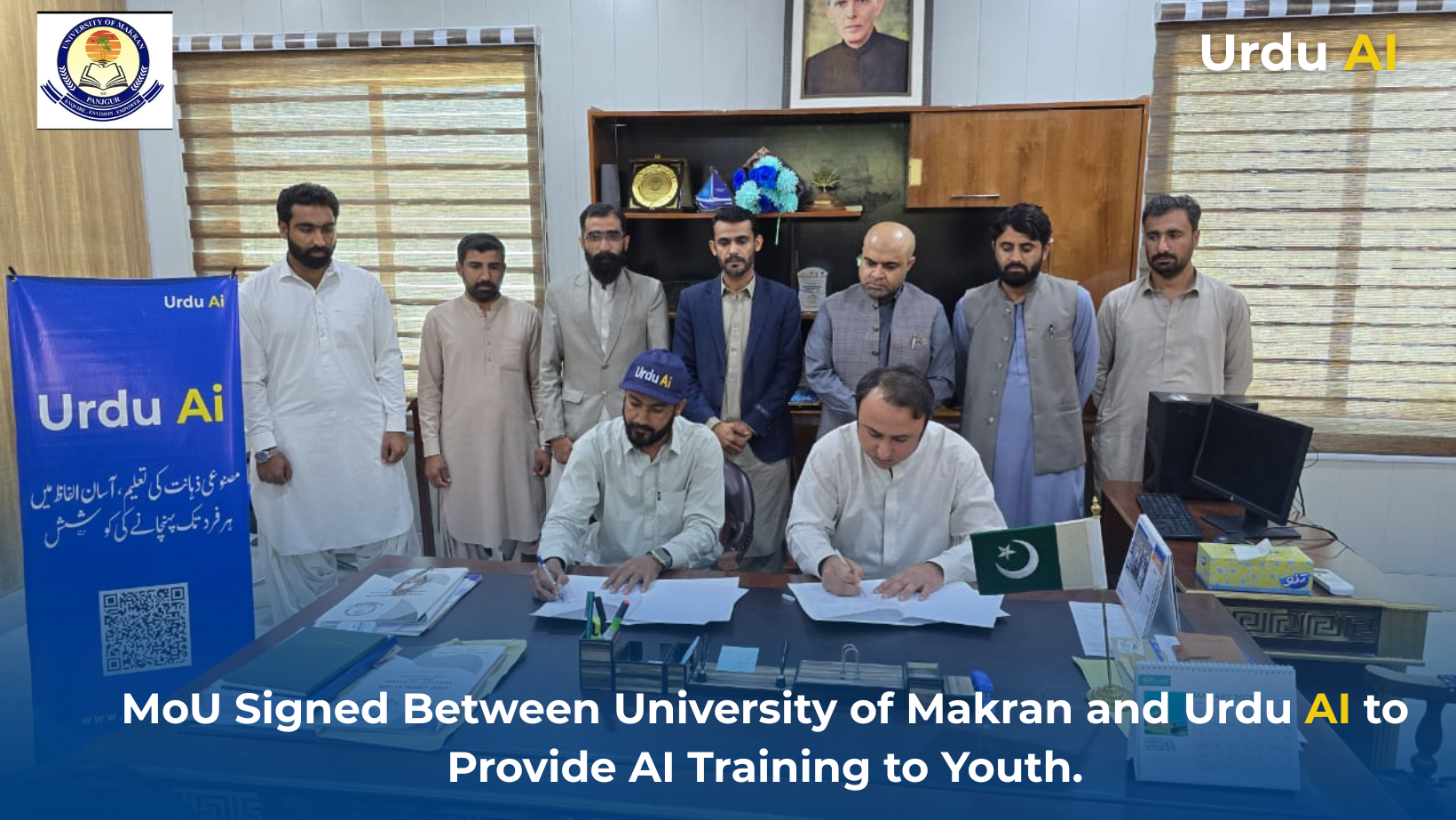
Regional youth AI training through public education partners
Institutional partnerships make it easier to bring training into places where learners already gather: campuses, polytechnic institutes, local academies, and public-sector education spaces.
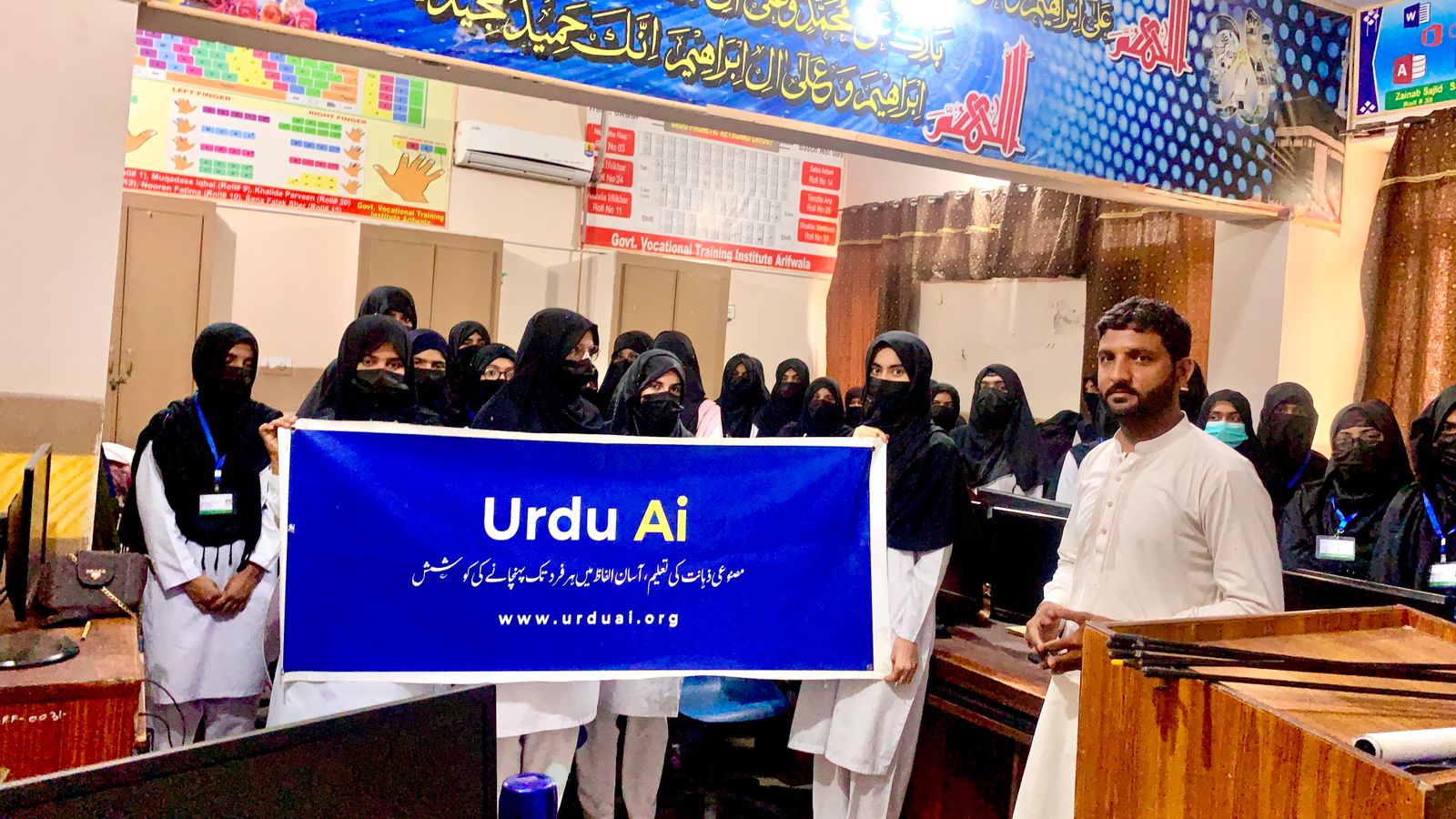
Programme direction, field management, content, media, and gender perspectives are led by a visible team with clear roles.
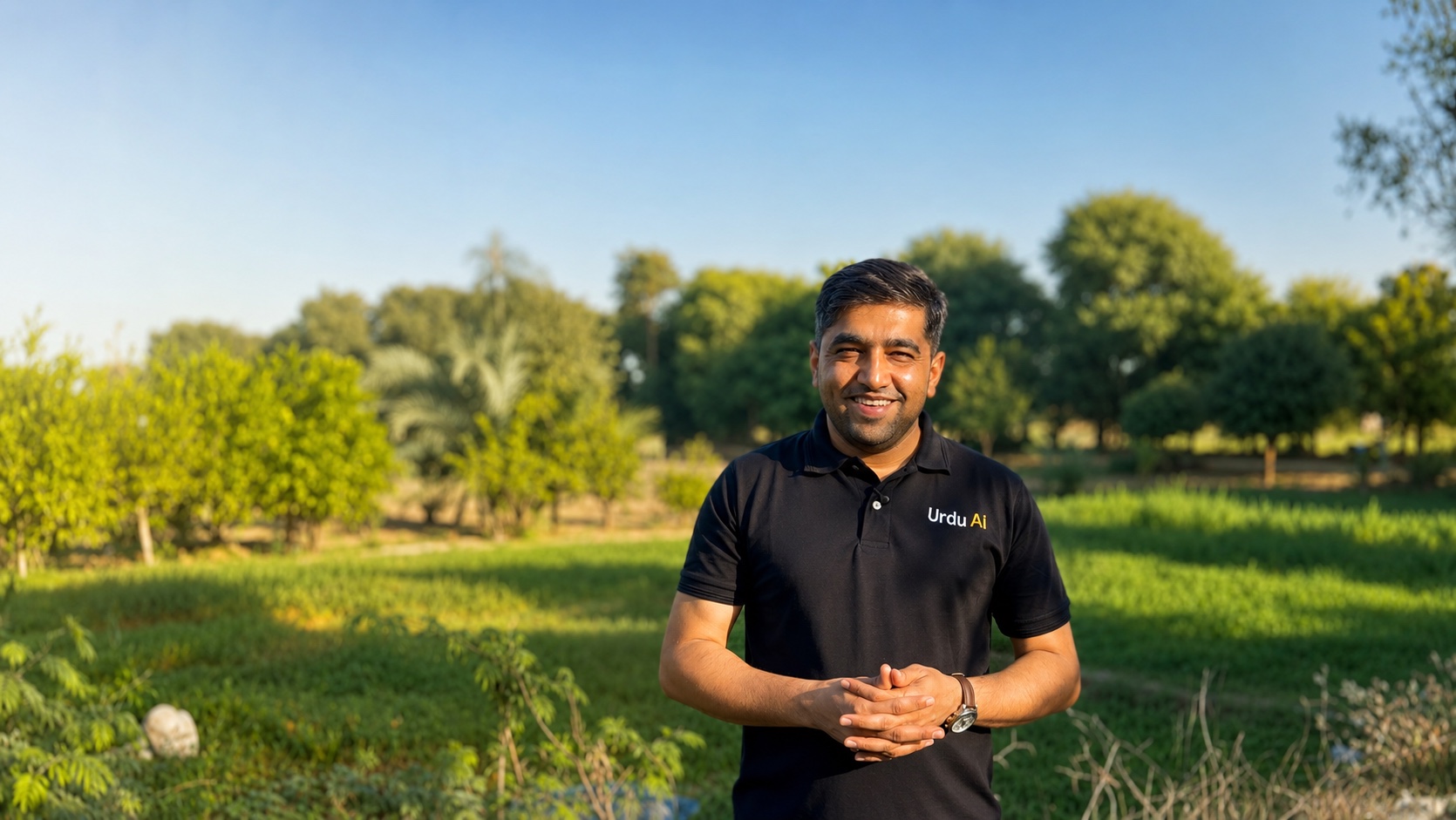
Qaisar Roonjha is a social innovator and Executive Director of WANG, leading Pakistan's first Urdu-language AI education movement. Through Urdu Ai, he has empowered thousands of youth and women from underserved communities to access artificial intelligence in their native language. His work bridges the digital divide, promotes inclusive technology education, and is building a nationwide network for AI literacy and economic opportunity.
Amir Bakhsh is a development sector professional with over a decade of experience in research, community development, livelihood, health, and education. Holding an M.Phil in Sociology, he has led many community initiatives and specialized training programs. As National Project Manager at Urdu Ai, he helps coordinate learning work across Pakistan.
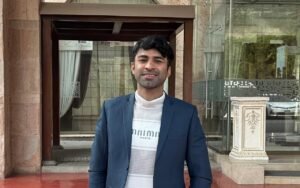
Nawaz Ali is a media and communications professional with 5+ years of experience in media strategy, social media management, multimedia production, and documentary filmmaking. He leads national media work that helps Urdu Ai document public visibility, field stories, and inclusive technology narratives.
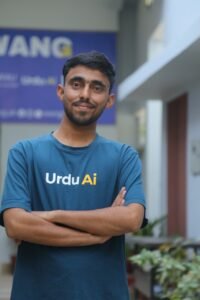
Mairaj Ahmed is an emerging development and technology professional focused on digital literacy, youth empowerment, AI education, web development, and community outreach. As content lead, he helps simplify artificial intelligence in Urdu for large public learning audiences.
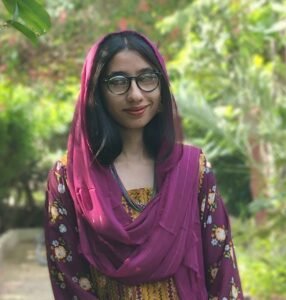
Hafsa Qadir supports gender perspectives across Urdu Ai delivery, helping keep participation, safer access, and follow-up attentive to women and underserved learners.
Training completion data includes learners across education, employment, social sector, and small business contexts.
| Reported learner group | Records |
|---|---|
| College and university students | 3,920 |
| Education workers, including teachers | 2,335 |
| Vocational school students | 1,549 |
| Unemployed learners | 1,006 |
| Small business and MSME employees | 362 |
| Nonprofit workers | 180 |
| Service sector workers | 167 |
| Healthcare-related workers | 44 |
National and regional media coverage helps document Urdu Ai's public visibility and momentum. Source: Urdu Ai in Media channel.
Urdu Ai on Aaj News
Urdu Ai on Geo News
Urdu Ai on ARY News
Urdu Ai on ABN News
Urdu Ai on Express News
Urdu Ai already has a strong foundation: trusted field delivery, national attention, women participation, district-level records, media visibility, and a practical model for Urdu-language access. The next step is deeper, better-supported learning pathways.
Support Dost-led training, local venue costs, travel, district coordination, and follow-up cohorts where digital reach alone is not enough.
Builds from the current 29-district delivery record.Support women-friendly cohorts, female facilitators, community access points, and applied learning tracks for education, livelihood, and confidence.
Anchored in reported 51% women participation.Create structured Urdu learning pathways for teachers, freelancers, students, small businesses, rural workers, and first-time AI users.
Connects public reach with practical learning outcomes.Strengthen learner stories, partner updates, consented testimonials, and public impact pages that explain what changed.
Turns headline numbers into clear public learning records.Urdu Ai shares clear impact updates, district snapshots, media coverage, learner stories, and counting notes so partners can understand both the scale and the basis of reported results.
Request impact briefCurrent headline numbers combine reported training completions and learner records. Duplicate entries and shared institutional records are handled carefully and are not presented as unique people unless clearly stated.
Review how numbers are counted